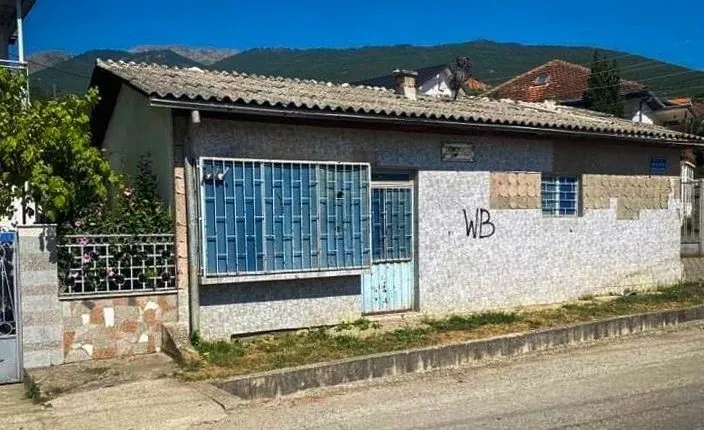
Twenty-seven years have passed since the “Panda” case, one of the most controversial and disturbing crimes of the late 1990s, widely believed to have been orchestrated by Serbian state structures in order to falsely accuse Albanians.
On December 14, 1998, six young Serbs were killed in the small café known as “Panda” in Peja. The victims were Ivan Radević (25), Ivan Obradović (14), Vukota Gvozdenović (16), Dragan Trifović (17), while Svetislav Ristić (18) and Zoran Stanojević (17) later died from their injuries in hospital.
According to multiple reports and later admissions, the attack was deliberately designed to place blame on local Albanians, in an attempt to justify repression and further violence by Serbian forces in Kosovo.
Following the shooting, five young Albanians from Peja were arrested and convicted on charges of “hostile activity”, despite a lack of credible evidence. Although they were released one month later following intervention by the International Committee of the Red Cross, they were subjected to severe torture and mistreatment in Serbian prisons.
Investigative reporting by Montenegro-based outlet “M portal” has linked the perpetrators of the Panda killings to the later massacre at Dubrava Prison, one of the gravest war crimes committed in Kosovo. Among the individuals named are Siniša Petrić, associated with the “Zenica” criminal clan, and Radomir “Boban” Bačović, identified as a leader of the “Škaljar” clan.
In a rare public admission years later, Serbian President Aleksandar Vučić acknowledged that the crime was not committed by Albanians, contradicting years of official Serbian narratives. Despite this admission, Serbia has never conducted a transparent investigation nor held those responsible accountable.
More than two decades later, the Panda case remains emblematic of state-sponsored manipulation, disinformation, and impunity, highlighting Serbia’s continued failure to confront crimes committed in the name of its policies in Kosovo.