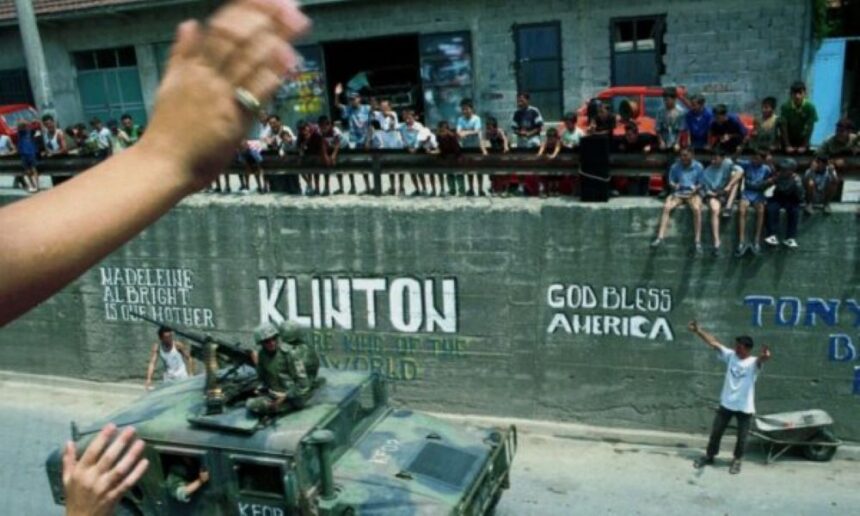
Today marks the 27th anniversary of the launch of the NATO air campaign against Serbian military and police targets in the former Yugoslavia, aimed at halting violence against ethnic Albanians in Kosovo.
The bombing began on March 24, 1999, following failed diplomatic efforts to persuade former Yugoslav leader Slobodan Milošević to agree to a ceasefire. The campaign lasted 78 days.
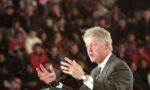
At the time, then U.S. President Bill Clinton stated that if Milošević refused peace, the international community would act to limit his ability to wage war. The strikes were authorized by Javier Solana.
This operation marked the first time NATO used military force without explicit approval from the United Nations Security Council.
The campaign involved around 1,000 aircraft operating from bases in Italy and Germany, as well as the aircraft carrier USS Theodore Roosevelt in the Adriatic Sea. NATO forces carried out more than 38,000 sorties, including over 10,000 strike missions, without fatalities among allied forces.
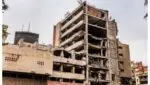
Targets included military barracks, command and control systems, air defense infrastructure, and key energy and communication facilities across Serbia, Montenegro, and Kosovo.
The campaign ended after the Kumanovo Agreement was signed between NATO and Yugoslav military officials. The agreement led to the withdrawal of Yugoslav forces from Kosovo and the deployment of an international peacekeeping force.
The KFOR mission began its deployment on June 12, 1999, initially with around 50,000 troops. Today, it consists of approximately 4,700 personnel from 33 countries.
The war resulted in around 13,000 deaths, thousands missing — with over 1,600 still unaccounted for — and hundreds of thousands of displaced people, most of whom later returned. Thousands of homes and properties were destroyed or damaged.