The possibility of a non-partisan presidential candidate is once again being discussed in Serbia as the country moves closer to the next presidential elections. Analysts say the situation reflects a growing dilemma within the ruling Serbian Progressive Party (SNS) and the broader political landscape shaped by the dominance of President Aleksandar Vučić.
In recent years, non-party figures have often been presented as a quick political solution—individuals portrayed as experts rather than politicians, intended to appeal to voters tired of party politics. However, their political careers have frequently been short-lived, and many eventually become closely tied to the very parties they were meant to stand apart from.
Why the SNS Faces a Strategic Challenge
According to Serbia’s constitution, Vučić cannot run for another presidential term, which creates a significant challenge for the SNS if the country is indeed entering an election cycle. Experts note that the ruling party has long relied heavily on Vučić’s popularity, meaning transferring that political support to another candidate may be difficult.
Political scientist Ognjen Gogić says the SNS currently lacks a charismatic figure capable of winning the presidency independently.
“The only real chance for a candidate is to borrow the authority and popularity of Vučić,” he explains, adding that the party’s structure tends to prevent individuals from gaining too much independent influence.
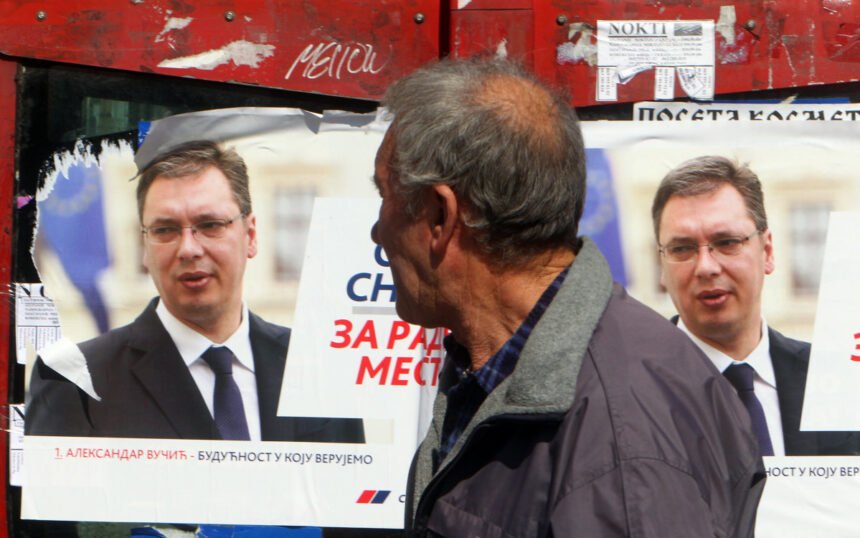
Because of this, analysts predict that during the campaign billboards may feature both the SNS candidate and Vučić, highlighting the continued central role of the current president in Serbian politics.
Possible Scenarios Ahead
Another factor shaping the situation is the potential future role of Vučić himself. He has neither confirmed nor ruled out a return to the position of prime minister, which could shift the political balance ahead of elections.
Polling expert Vladimir Pejić notes that relying on a single dominant political figure can be “a double-edged sword.” While Vučić’s popularity has benefited the SNS for more than a decade, it also leaves the party with limited alternatives.
Pejić says the SNS could:
- Choose a party member with lower public visibility, or
- Support a non-partisan figure who would campaign with Vučić’s backing.
Some analysts also believe parliamentary elections may take priority over the presidential race, and that the timing of both elections could depend on broader political strategy.
Why Non-Partisan Candidates Are Attractive
Experts say parties often promote non-partisan candidates to appeal to voters who distrust political parties. Presenting an expert or public figure outside party structures can create the impression that politics is being placed secondary to competence.
However, in Serbia’s political system—where party structures and centralized leadership remain dominant—such candidates often struggle to build independent influence without the backing of a major party.
As Serbia approaches the next presidential election cycle, the key question remains whether the SNS will rely on an internal candidate or once again turn to a so-called non-partisan figure supported by Vučić’s political authority.