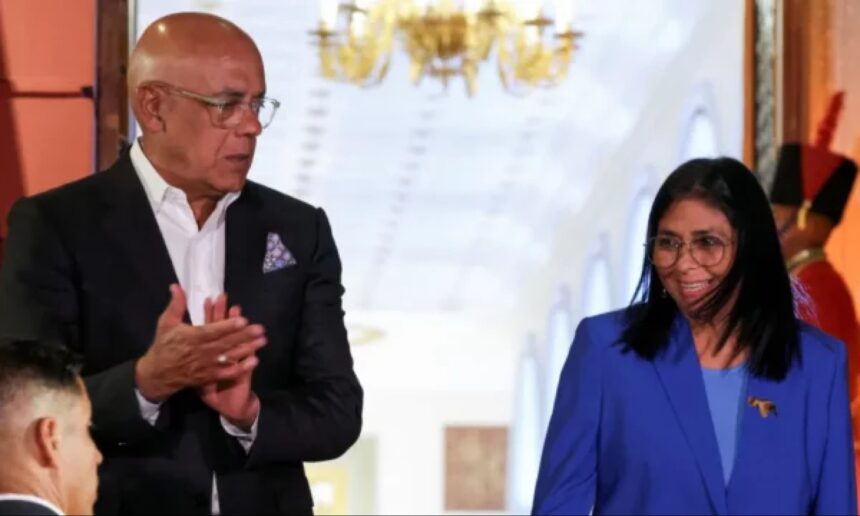
A total of 1,557 people detained in Venezuela for political reasons have formally applied for amnesty under a newly enacted law approved by the country’s legislature, the National Assembly’s President, Jorge Rodríguez, announced on Saturday, 21 February 2026.
The amnesty law passed just days earlier marks a significant shift for Venezuelan authorities, who for decades have denied the existence of political prisoners.
Key developments include:
- 1,557 applications have been submitted and are being processed immediately, with hundreds of detainees already released under the new law.
- Among those freed is opposition politician Juan Pablo Guanipa, a prominent critic of the amnesty law’s limitations.
- The law was enacted shortly after a dramatic US military operation on 3 January that resulted in the capture of former President Nicolás Maduro, and comes amid international pressure — especially from the United States — to speed up the release of political prisoners.
Criticism and limitations:
- Human rights organizations and opposition figures argue the law is limited in scope and excludes certain categories of prisoners, raising concerns about fairness and equal application.
- Despite the government’s claim that some detainees are being released, rights groups insist many political prisoners remain behind bars and want broader protections extended.
The amnesty law does not automatically free detainees — individuals must apply, and courts must approve their release — and critics have warned that judicial discretion and exclusions could slow or restrict meaningful freedom for many.