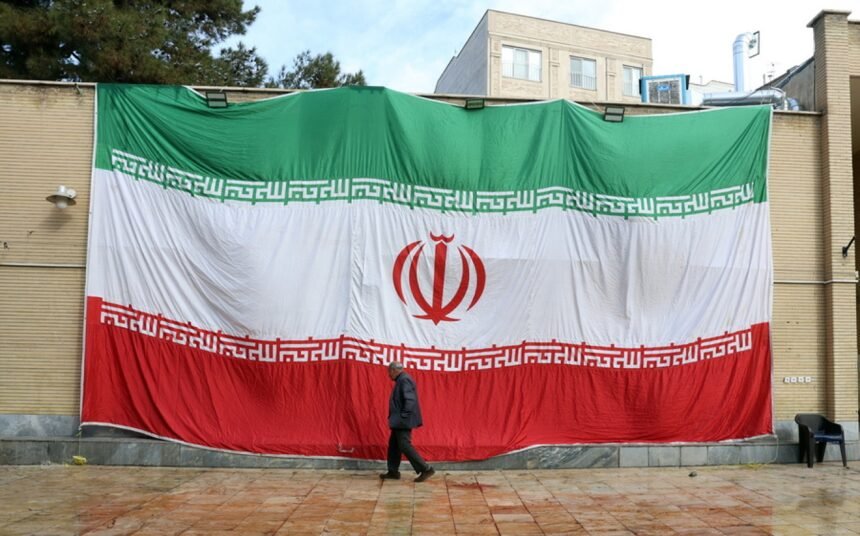
Iran has presented a set of conditions for a potential agreement with the United States and Israel, which could bring an end to the ongoing conflict in the Middle East—a war whose consequences are being felt worldwide, including rising fuel prices.
According to Channel 12, Iranian officials are demanding strong guarantees to prevent future conflicts, as well as a new agreement concerning the Strait of Hormuz, one of the most important global oil transport corridors. Tehran’s proposal seeks to establish Iranian control over this vital maritime passage, which would have significant implications for international energy trade.
At the same time, Iran is requesting the closure of US military bases in the Middle East and financial compensation for damages caused during the conflict. These demands directly challenge Washington’s strategic interests and those of its regional allies.
However, a second report indicates potential flexibility on Iran’s part. US sources suggest that Iran may be willing to freeze its ballistic missile program for five years and limit uranium enrichment. Tehran could also agree to negotiations on enriched uranium stockpiles up to 60% and permit inspections by the International Atomic Energy Agency (IAEA) of existing centrifuges. Another key element could be halting funding for allied armed groups in the region, including Hezbollah and Hamas.
These developments highlight the high complexity of the negotiations, with key issues such as control over the Strait of Hormuz, the presence of US forces, and Iran’s nuclear program set to determine the prospects for a possible agreement and the stability of the Middle East.