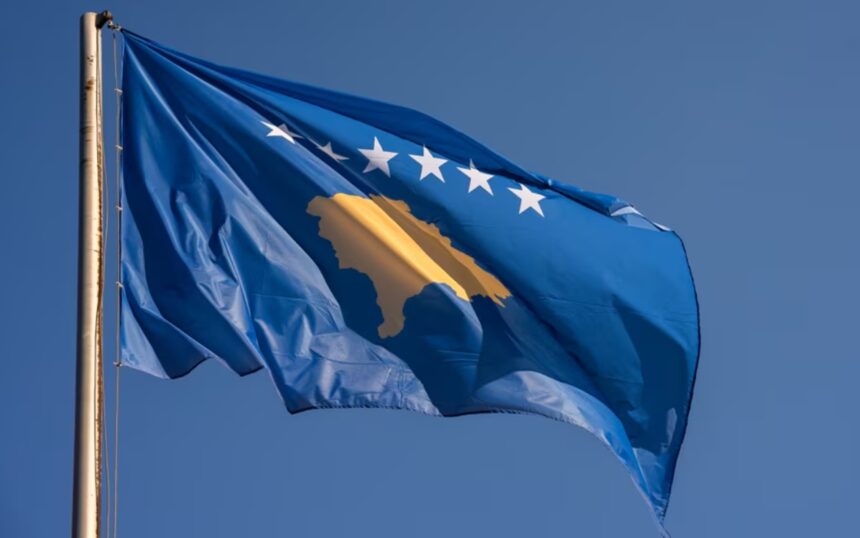
Almost three decades after the NATO intervention, which changed the course of history by opening the way to freedom and statehood, Kosovo’s aspirations for integration into Euro-Atlantic structures remain a top priority.
The NATO military campaign against Serbian targets remains one of the key moments in Kosovo’s state-building journey. Considering that Kosovo is now in a phase of institutional consolidation, one of its main goals remains membership in international organizations, including the North Atlantic Treaty Organization (NATO).
“But the NATO bombings of Serbian targets were a major military and, subsequently, political turning point for Kosovo as an independent state. Today, Kosovo is in the process of fully consolidating its institutions and simultaneously pursuing the right to join international organizations—first the United Nations, and undoubtedly NATO, which is a very high-priority goal. When Kosovo will join and what obstacles exist is another matter, but the ultimate aim is for Kosovo to become a NATO member, and it has already fulfilled the requirements, both militarily and otherwise. Kosovo is worthy of being a new member of the alliance, which remains one of the most powerful military and political organizations in the world,” said Fatmir Çollaku, a university professor.
Meanwhile, international support for this path continues. The German ambassador recently reaffirmed his backing for Kosovo’s aspirations toward integration into the European Union and Euro-Atlantic structures during an interview on RTK Prime.
Former NATO spokesperson during the war, Jamie Shea, also considers further Kosovo-NATO rapprochement essential.
“I am a firm supporter of Kosovo becoming a full member of the Partnership for Peace. NATO should have offered Kosovo this opportunity years ago. This would have opened many more avenues for practical cooperation with NATO than the limited set of activities the allies have agreed upon so far. It is a logical development for a country like Kosovo, which aims for NATO membership. I see no reason why recognition issues should be used to block Kosovo from taking the first step toward NATO integration by joining the Partnership for Peace—a step that two dozen other European countries have taken long ago. Kosovo shares NATO’s values and has shown that it wants to contribute to overall NATO security, not just benefit from the protection NATO can provide, for example through KFOR,” emphasized Jamie Shea, former NATO spokesperson.
On the 27th anniversary of the NATO intervention, Kosovo, while remembering the past, looks to the future with the goal of becoming part of the world’s most important security and political structures.