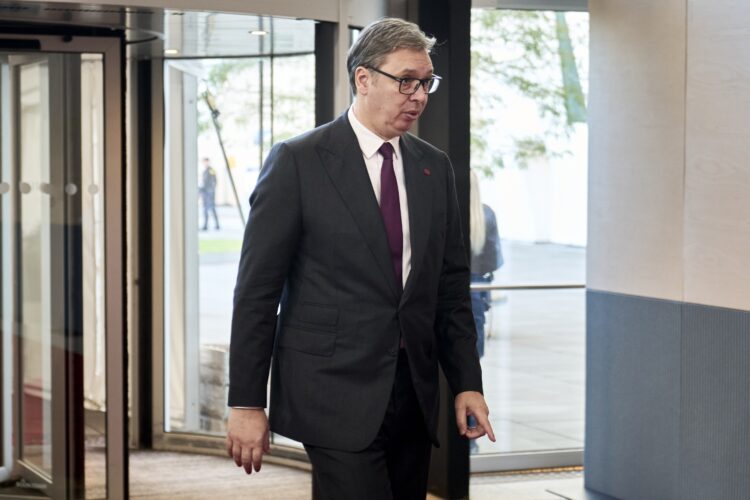
Serbia is now paying the price for years of political maneuvering and controversial loyalty to Moscow, as U.S. sanctions on the state-owned oil company NIS threaten to plunge the country into fuel shortages, soaring prices, and a worsening energy crisis. Despite repeated warnings from the West, President Aleksandar Vučić preferred to flaunt his allegiance to the Kremlin, dismissing calls for alignment with EU foreign policy — a decision that is now hitting Serbian citizens hardest.
Western Warnings Ignored
Since the beginning of Russia’s invasion of Ukraine, the U.S. and EU openly warned Serbia about the consequences of its neutrality and ongoing economic cooperation with Moscow. Every visiting Western official reiterated the same message: Serbia must distance itself from Russia.
“Anyone who wants to become part of the European community must take responsibility, even if it means difficult steps,” said German Foreign Minister Johann Wadephul ahead of his recent trip to Belgrade. He highlighted the importance of energy diversification — a lesson Germany itself learned at great cost after cutting off Russian gas supplies.
Despite this, Vučić ignored EU appeals, promoting a narrative of “multi-vector diplomacy” to domestic audiences while increasingly isolating Serbia internationally.
U.S. Sanctions and Trump’s Warning
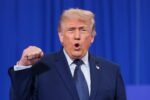
This week, the crisis deepened when U.S. President Donald Trump supported legislation enabling penalties of up to 500% on imports from countries trading with Russia but not supporting Ukraine.
“I don’t see what else Serbia can do now,” said former diplomat Srećko Đukić.
“The government slept on this issue, waiting for someone else to fix a problem it created at home.”
He emphasized that Russia has always acted in its own interests, and Serbia’s belief in “moral obligations” being repaid — whether through support on Kosovo or cheap gas — has been proven misguided.
Energy Crisis Looming
Analysts warn of multiple cascading effects:
- Fuel shortages and rising prices for gasoline and diesel.
- Increased fuel imports will strain foreign currency reserves.
- State budget pressures due to slower economic growth and higher borrowing needs.
- The potential collapse of gas arrangements with Russia, with major repercussions for electricity production and industry.
“The worst-case scenario is not widely understood by the public,” says economic analyst Milan Ćulibrk.
“But if the government was aware of this in January, what exactly have they been waiting for?”
Vučić’s Costly Moscow Loyalty
Despite the mounting crisis, President Vučić traveled to Moscow in May for a military parade — in defiance of clear EU objections. European officials called this a grave mistake, warning it would damage Serbia’s EU accession process.
“It will be very difficult to argue for Serbia’s progress after this,” said Tonino Picula, the European Parliament’s rapporteur for Serbia.
Further complicating relations, Serbia sent Deputy PM Aleksandar Vulin — himself sanctioned by the U.S. — to attend the BRICS summit.
A Self-Inflicted Crisis
The conclusion is clear: Serbia had years to adjust its policies, but instead doubled down on a strategy of appeasing Moscow. Now, as Brussels and Washington tighten their policies and Serbia’s strategic resilience evaporates under sanctions, Vučić’s gamble has come due — with interest.