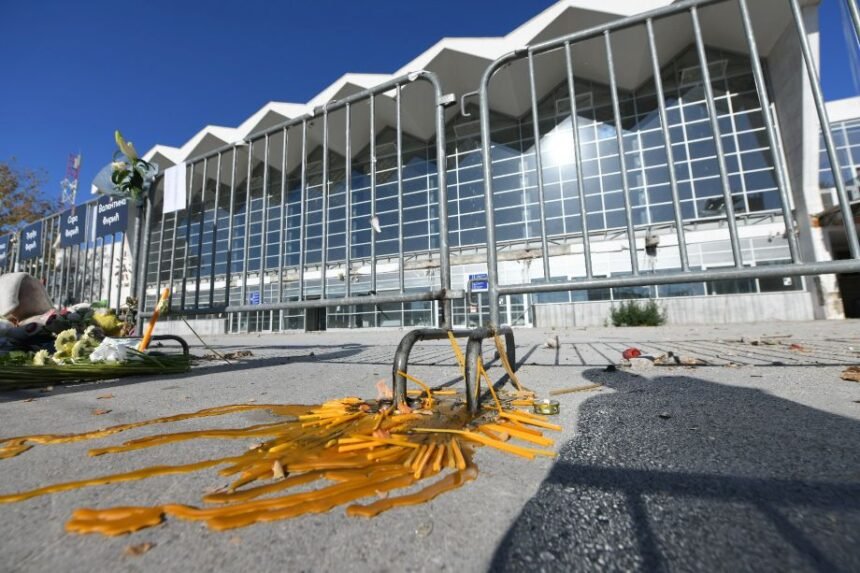
The Higher Public Prosecutor’s Office in Novi Sad released a statement regarding the ongoing legal proceedings following the catastrophic collapse of the canopy at Novi Sad Railway Station on November 1, 2024, which resulted in 16 deaths and one severe injury.
The investigation was officially closed on September 12, 2025, with the indictment filed on September 16 against 13 individuals, including former public officials and construction executives.
The accused include Goran Vesić, former Minister of Construction, Transport, and Infrastructure, Jelena Tanasković, and other senior officials of “Infrastruktura železnice Srbije,” as well as project designers, supervisors, and contractors. The indictment asserts that the accused allowed the station’s “Wing B” to be used despite ongoing construction and the absence of an occupancy permit, directly contributing to the tragedy.
Further allegations include that the accused failed to maintain the station structure, and that design and construction mistakes compromised the building’s stability, ultimately leading to its collapse.
Despite the gravity of these offenses, none of the accused is currently in custody. The Prosecutor’s Office claims it requested detention for all defendants due to “serious public concern” that could obstruct a fair trial. However, this request was rejected by the Higher Court, which instead imposed house arrest—a decision that was upheld even after the prosecution’s appeal.
One year after the disaster, no one has been jailed. This trend aligns with growing public frustration over the lack of accountability under the administration of President Aleksandar Vučić, where major infrastructural failures repeatedly result in tragedies but seldom in high-level punishment.
The indictment has been forwarded to the Higher Court, which now holds full jurisdiction. The Novi Sad Prosecutor’s Office insists that a public trial must be held as soon as possible to ensure transparency and justice for the victims. They emphasize that both the prosecution and the defense should present their evidence under public scrutiny to establish full criminal responsibility.
As the case moves forward, citizens and civil society organizations continue to demand justice, highlighting this tragedy as yet another example of institutional negligence and political impunity in Serbia.