The Austrian company Kelkos Energy, long one of the most criticized actors in Kosovo’s energy sector, has officially initiated an international arbitration procedure against the Government of Kosovo, opening a new chapter in a legal dispute that could cost the state millions of euros.
The first hearing took place in Vienna from October 20 to 24, 2025, marking the beginning of a process expected to last several years. The Ministry of Justice confirmed to Periskopi the participation of state representatives and international experts, while the Austrian company repeatedly declined to respond to questions regarding the arbitration.
This procedure follows a long period of accusations related to environmental violations, lack of transparency, pressure on civil society activists, and conflicts with Kosovo’s state institutions. During the first hearing, six witnesses and two international environmental experts were heard, with the next session scheduled for June 2026.
According to the Ministry of Justice, Kosovo was represented by two state lawyers and four lawyers from an international law firm contracted for the case, without providing further details. Experts warn that the arbitration is being conducted in complete secrecy and with little transparency, leaving room for agreements potentially detrimental to the public budget.
Kelkos’s Controversial History in Kosovo
Since the start of its operations, Kelkos Energy has faced continuous criticism. Environmental organizations have accused the company of obtaining environmental and water-use permits without public processes, often through accelerated and non-transparent procedures.
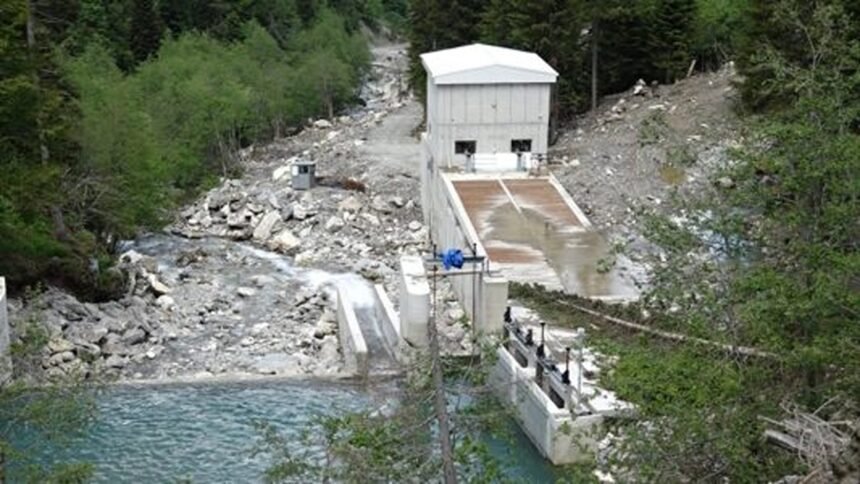
Kosovo’s Supreme Court has suspended three Kelkos hydropower plants in Deçan, citing the company’s failure to fulfill legal obligations, while its operations have been linked to environmental damage, river drying, biodiversity loss, and geographical alterations.
In 2020–2021, Kelkos filed defamation lawsuits against activists Shpresa Loshaj and Adriatik Gacaferi, widely regarded as SLAPP lawsuits, intended to intimidate and silence critics. International organizations, including Amnesty International, publicly condemned the company’s approach.
Reports from local groups such as GLPS and Çohu! highlight that the hydropower plants were constructed in violation of legally mandated distances and within protected areas, including the “Bjeshkët e Nemuna” National Park and the Deçan Monastery protected zone, often without proper environmental or construction permits.
Risk to Kosovo’s Public Budget
Through international arbitration, Kelkos aims to position itself as the injured party, despite operating under contested licenses and generating substantial profits from a public resource. Experts warn that an unfavorable ruling could cost Kosovo tens of millions of euros, directly impacting taxpayers who have already borne the environmental and social costs of the company’s operations.
For Kosovo, this arbitration represents a serious test of institutional integrity, while for Kelkos, it is an attempt to rehabilitate its image and secure financial gains after a decade of accusations regarding legal violations and pressure on civil society.