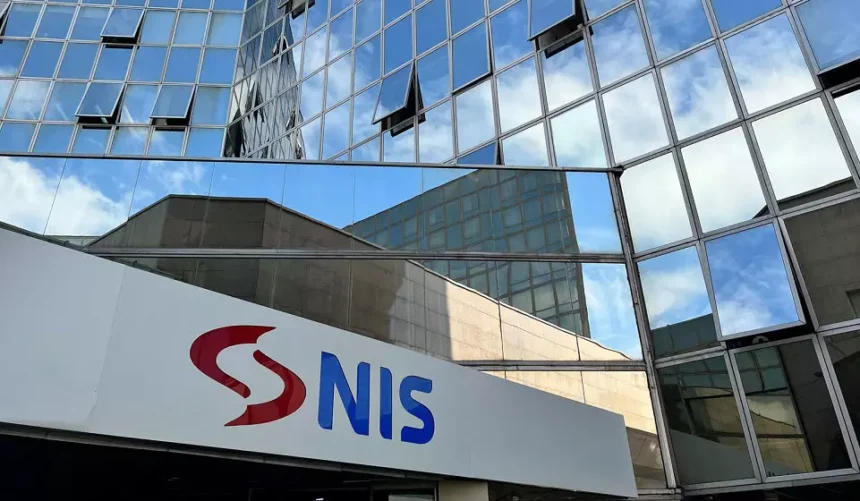
The U.S. sanctions imposed on Naftna Industrija Srbije (NIS), effective from October 9, have significantly complicated the company’s operations. Amid stalled negotiations over Russian ownership, bankruptcy has emerged as a potential option for Serbia—but it carries serious economic and political risks.
Analyst Nenad Gujaničić told Vreme that a bankruptcy scenario would not please Russian stakeholders.
“If anyone thinks the state could avoid angering Russia by pushing NIS into bankruptcy without taking over the Russian shares, that is a mistaken assumption. The state must choose a solution that allows the company to resume normal operations as quickly as possible. Bankruptcy does not offer that speed, and it introduces numerous operational challenges,” Gujaničić said.
Some public speculation suggests that Serbia could intentionally push NIS into bankruptcy and later acquire it as a failed company. However, this would dramatically reduce the company’s market value, making it unattractive to Russian partners.
Impact on Employees
NIS employs over 13,500 workers. With the National Bank of Serbia halting financial operations with NIS, payroll and payments to suppliers could be disrupted. President Aleksandar Vučić confirmed that after suspending operations at the refinery, a similar process will affect Pančevo Petrochemicals, Serbia’s largest producer of petrochemical products.
Zoran Obradović of the United Branch Trade Unions “Nezavisnost” warned that this could leave hundreds of thousands of people without income. He criticized the government for not consulting with unions:
“The ultimate concern is people—the employees. It is unbelievable that the government has not once called union leadership for talks, because this primarily concerns human lives,” Obradović said.
Consequences for Citizens
A NIS bankruptcy would reduce the availability of fuel at NIS and Gazprom-affiliated pumps, and potentially at Lukoil stations, affecting roughly 30% of fuel stations in Serbia. While fuel access in Belgrade is unlikely to be disrupted, residents in smaller towns could face shortages.
Best Economic Option: Transparent Tender
Economically, the fastest solution that ensures company continuity is the most favorable. Gujaničić noted that acquiring the Russian shares outright, or organizing an international tender for their sale, would establish a transparent market value and avoid accusations of biased pricing.
“Serbia has currently estimated NIS at around €2.5 billion for 100% ownership, which aligns roughly with market value. But a transparent international sale would yield a real market price and remove any concerns of partiality,” he said—assuming the Russian owners agree to sell.