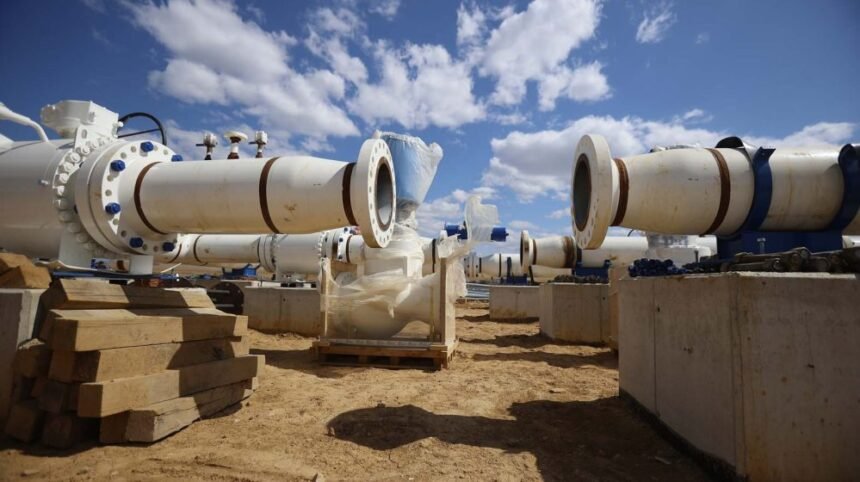
With Russia yet to finalize a long-term gas supply contract, Serbian President Aleksandar Vučić warned that negotiations with alternative suppliers could begin as early as next Monday. Experts emphasize that Serbia is in a much stronger position than during the 2009 gas crisis.
Key Alternative Sources
- Azerbaijan – Serbia already imports around 400 million cubic meters annually through the gas interconnector with Bulgaria, with potential to increase volumes.
- LNG Terminals – Possible procurement via Alexandroupolis, Greece, and Krk, Croatia, connecting Serbia indirectly to global LNG suppliers including the US, Qatar, Algeria, and Norway.
- European Gas Market – Serbia can supplement needs through spot purchases on European exchanges, though at potentially higher prices.
- Domestic Storage – Serbia has Banatski Dvor storage (currently 450 million m³, expanding to 750 million m³) and leased capacities in Hungary (~180 million m³).
Strategic Advantages
- Diversification reduces Serbia’s political dependence on Russia.
- Existing interconnectors and storage facilities allow Serbia to meet winter demand even without Russian gas.
- Domestic prices may rise initially if LNG is used, but medium- and long-term stability is expected.
Consumption & Contracts
- Serbia consumes ~3 billion m³ of gas annually, with 2.2 billion m³ currently from Russia.
- The 2024 Azerbaijan contract provides 400 million m³/year until 2026, potentially rising to 1 billion m³ thereafter.
Future Plans
- New interconnectors with Romania (Black Sea gas) and North Macedonia (LNG access via Greece) are planned.
- These projects aim to further diversify supply and increase energy security.
Conclusion: Serbia’s improved infrastructure, storage, and access to LNG and European markets give it multiple options to secure gas even if Russian deliveries are disrupted.