Jovan Vičentijević, a colonel in the Serbian Armed Forces, has been identified as the principal orchestrator of the terrorist attack on the critical “Ibër-Lepenc” water and energy infrastructure in Varagë, Zubin Potok, last year, according to documents obtained by the Kosovo Special Prosecution.
Vičentijević, together with his brother Dragisha Vičentijević and Igor Dimović, faces multiple charges, including endangering the constitutional order through destruction or damage of public installations, illegal possession of weapons, and espionage.

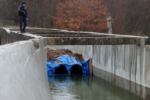
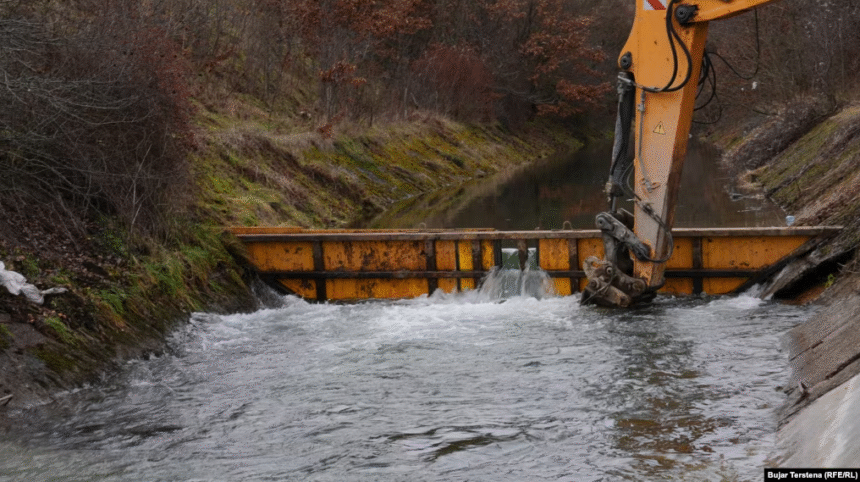
The Special Prosecution states that on November 29, 2024, the defendants planted approximately 20 kilograms of TNT explosives inside the canal. The explosives were rigged with a slow-burning fuse and detonated, causing serious structural damage, interrupting water supply to northern and central municipalities, and threatening Kosovo’s energy production, with estimated damages of €376,774.70.
Searches of the Vičentijević residences in Prevllak, Zubin Potok, revealed a significant arsenal of military-grade weapons, including AK-47 rifles, hand grenades, ammunition, long knives, hunting rifles, military radios, uniforms, and protective gear from Serbia, Russia, and other countries.
The Special Prosecution emphasizes that Jovan Vičentijević acted as a recruit of the Serbian Military Intelligence Service, gathering classified information and documents for use in illegal activities in Kosovo, including surveillance of KFOR operations and U.S. personnel movements. Among the evidence is a 66-page KFOR classified document confirming Vičentijević’s espionage activities.
Authorities note that the attack deliberately targeted critical infrastructure, posing a serious risk to civilian safety and national security.
All three suspects, arrested in November and December 2024, remain in pretrial detention.
This case highlights ongoing security challenges in northern Kosovo and raises serious questions about Serbia’s continued covert influence in the region.