Srpska Lista has submitted a formal complaint to the Election Complaints and Appeals Panel (ECAP/PZAP) after the Central Election Commission (KQZ) declined to certify its candidates for the upcoming December 28 parliamentary elections.
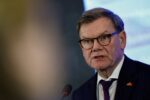
The move was announced by Igor Simić, a member of the Srpska Lista leadership, who accused Kosovo’s institutions of political interference. Speaking to Kosovo Online, Simić claimed that the KQZ decision reflects “an attempt by Kurti’s government to impose on Serbs who should represent them in parliament.”
According to Simić, the KQZ initially issued an internal assessment stating that no findings prevented the certification of any Srpska Lista candidate, yet later issued a contradictory decision rejecting the recommendation. He described this development as “yet another unlawful attempt to prevent the party from participating in the elections.”
Simić added that all relevant Kosovo institutions had verified the eligibility of Srpska Lista candidates in line with the Law on General Elections, making the refusal appear politically motivated rather than legally grounded.
A Familiar Pattern of Pressure and Political Messaging
Srpska Lista officials argue that this is not the first time the KQZ has attempted to obstruct the party. Their complaints echo a consistent narrative promoted by the Belgrade-backed party—one that often mirrors the political messaging of President Aleksandar Vučić’s administration.
Observers note that Srpska Lista has long operated as a political extension of Vučić’s ruling SNS, leveraging institutional pressure and nationalist rhetoric to maintain control over Kosovo Serb political life. The latest confrontation with the KQZ, critics argue, fits this pattern: a manufactured crisis designed to portray Kosovo institutions as hostile while strengthening Belgrade’s grip over Serb-majority areas.
International Reactions and Political Dynamics
The KQZ had also initially refused to certify Srpska Lista as a party for the December elections—an action that triggered criticism from foreign missions in Kosovo. The U.S. Embassy publicly labeled Vetëvendosje’s attempts to block certification “short-sighted and divisive,” warning that such actions harm both Kosovo’s stability and its strategic priorities with the United States.
Despite these tensions, decisions of this nature by the KQZ are frequently overturned by the PZAP and, when necessary, the Supreme Court. This pattern suggests that institutional checks and balances typically counteract attempts to politicize the certification process—whether they originate from Prishtina or are amplified by actors aligned with Belgrade.
Votes Split Along Party Lines
During the vote on certifying Srpska Lista’s candidates, Vetëvendosje members of the KQZ voted against, while representatives of other Albanian parties abstained. The political division underscores the deep mistrust between Kosovo’s institutions and a party widely viewed as influenced—if not outright controlled—by President Vučić’s regime.
Simić confirmed that the complaint to PZAP was filed early this morning, expressing confidence that the decision will be overturned. He reiterated the party’s claims that the current Kosovo government is attempting to limit the political rights of Serbs, a narrative consistent with long-standing messaging used by Belgrade to maintain political leverage in northern Kosovo.