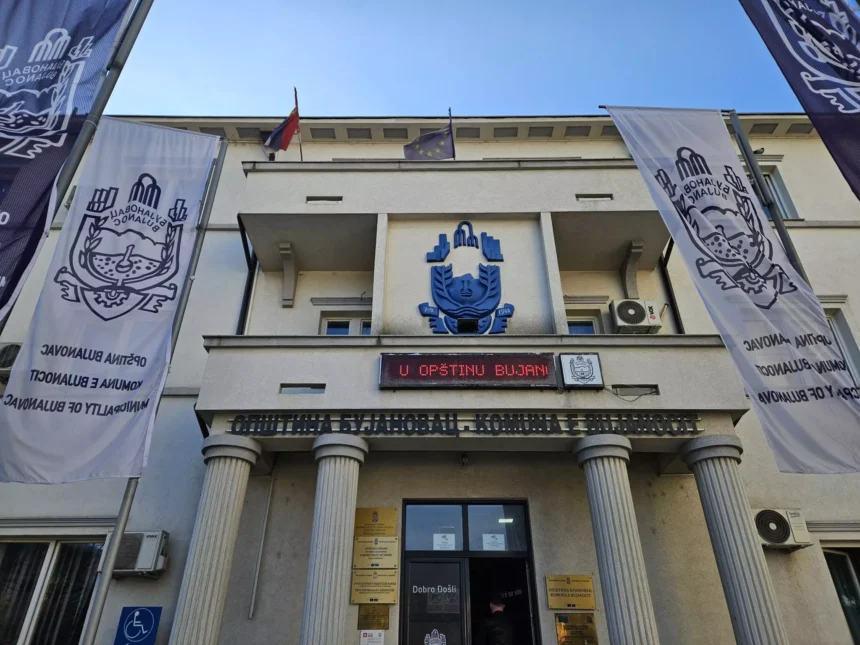
Albanians living in Preševo, Bujanovac, and Medveđa continue to face serious challenges regarding basic rights and civil registration. Key issues include passivation of addresses, non-recognition of diplomas, unequal representation in public institutions, and hate speech.
Passivation of addresses occurs when the Serbian Ministry of Internal Affairs removes a resident from the civil registry if they are not physically present at their registered address. The process leads to loss of ID cards, health insurance, and voting rights, disproportionately affecting Albanians in southern Serbia.
Jeton Ismailji, editor of Fol Online, highlighted that many Albanians live and work locally, yet are removed from the registry, while Serbs in similar circumstances are not.
“People work here, their children attend school here—it’s very easy to verify residence. The practice is selective against the Albanian community,” said Ismailji.
Educational barriers compound the issue. More than 90% of young Albanians study in Kosovo, but their degrees are often not recognized in Serbia, forcing many to migrate to Germany, Austria, or Switzerland for employment.
Efforts to improve conditions have included parliamentary proposals, such as the “Resolution on the Status of Albanians in the Preševo Valley” by MP Šaip Kamberi, and local initiatives like a 10-point plan by Bujanovac Mayor Arber Pajaziti. International organizations, including the OSCE, have also proposed measures to promote integration, language rights, education, and economic development, but progress remains limited.
The region’s history of instability further complicates the situation. Armed conflict between the OVPMB (Liberation Army of Preševo, Medveđa, and Bujanovac) and Serbian security forces from 1999 to 2001 underscores longstanding tensions. Recent studies show that most Kosovo Albanians oppose territorial exchange proposals linking the Preševo Valley to northern Kosovo, viewing them as potentially destabilizing.
Despite the formation of multi-ethnic local governments in Bujanovac and Preševo, many challenges remain unresolved. Advocates emphasize that full implementation of Serbian laws and constitutional protections is the most effective path toward resolving these issues.
“If Serbia respected its constitution, there would be no need for resolutions or multi-point plans. Representation in state institutions should reflect the local population,” Ismailji concluded.