Key Belgian politicians and senior finance officials have been targeted in a Russian intelligence intimidation campaign, aimed at pressuring Belgium to block the use of €185 billion in frozen Russian assets for Ukraine, reports The Guardian, citing European intelligence sources.
Security officials told The Guardian that the campaign specifically targeted key figures at Euroclear, the depositary holding the majority of frozen assets of Russia and its leaders.
EU leaders meeting in Brussels on Thursday are discussing whether to authorize urgent lending from these assets to support Ukraine’s war effort, essential for sustaining Kyiv through 2026 and 2027.
Officials believe the campaign is orchestrated by Russia’s military intelligence (GRU), though there is debate over the scale of the threat. “They are certainly engaging in intimidation tactics,” one European official said.
Belgium at the Center of the Controversy
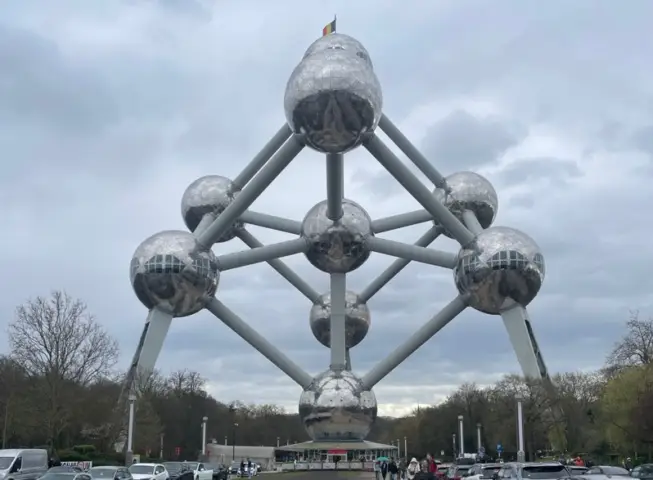
Belgium is a focal point because €185 billion of the €210 billion in Russian central bank assets frozen by the EU since the start of Moscow’s full-scale invasion of Ukraine are held at Euroclear, headquartered in Brussels.
The EU summit on Thursday and Friday will consider a first loan of €90 billion, secured by the blocked Russian assets. Belgium has raised legal concerns, stating it will approve the plan only if there are guarantees that Euroclear will be fully reimbursed if Russia successfully sues for its funds.
Russia has publicly warned that using the assets would constitute theft, and its central bank has announced it is seeking $230 billion in damages from Euroclear in a domestic court case.
Intimidation Targets
The threats have been directed at Valerie Urbain, Euroclear’s CEO, and other senior executives within the financial services group. Euroclear declined to comment, stating:
“Any potential threat is handled with the highest priority and investigated thoroughly, often with support from authorities as appropriate.”
This incident highlights ongoing security risks for individuals managing frozen Russian assets and the geopolitical pressures facing EU countries in the wake of the war in Ukraine.