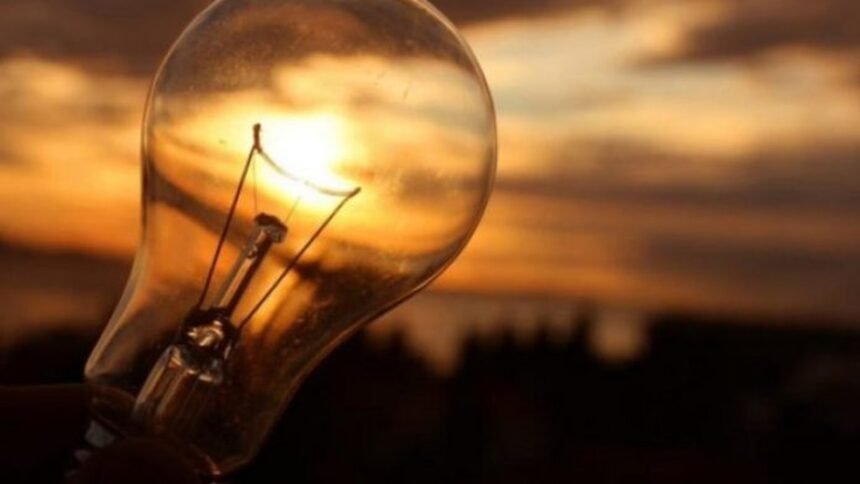
The Kosovo Electricity Transmission, System and Market Operator (KOSTT) has announced that it continues to face overloads in the energy grid, calling on citizens to save electricity. According to KOSTT, the areas most at risk of power cuts are Rahovec, Malisheva, Prizren, Dragash, Gjilan, and Lipjan municipalities that experienced unannounced electricity outages on Sunday.
KESCO also issued a call for electricity savings during the day, urging citizens especially during peak hours—to avoid using high-consumption appliances. Citizens say they are receiving electricity bills that are unaffordable for their household budgets.
“How can we afford this? This isn’t normal…,” one citizen told RTV21.
“There are outages, and the bills are unbearable—what can we do?” said another.
“There are cuts; we’re barely managing—what choice do we have?” another citizen added.
According to official data, Kosovo currently produces around 900 megawatts of electricity. Meanwhile, consumption at certain times of the day exceeds 1,400 megawatts, increasing the need for electricity imports. On Sunday, Block B1 of the Kosovo power plant went offline, though it was later announced that operations have resumed.
Energy expert Adhurim Haxhimusa says that whenever power plant blocks fall out of the system, it points to poor management of the energy sector. He warned that electricity tariffs will continue to rise.
“As long as this trend of management—or mismanagement—continues, tariffs will keep increasing, and the public will not protest. I believe citizens should stand up and say: fine, raise tariffs, but modernize the network. Not raise prices to finance energy sources outside Kosovo’s borders, because that is the problem we’ve seen over the past five years under the LVV government,” Haxhimusa told RTV21.
In October, electricity consumption increased by 17 percent, followed by a 19 percent rise in electricity imports compared to the previous year. Domestic production declined. Between 2015 and 2020, Kosovo imported electricity worth around €270 million. From 2020 to 2025, the value of electricity imports exceeded €800 million.
High import volumes and elevated transmission costs—reaching up to €800—sparked clashes between LVV and former opposition parties. The latter accused the LVV-led government of licensing a Serbian company to operate in Kosovo. In this context, Haxhimusa stated that abuses in the energy sector have peaked under the Kurti government.
“The issue of the energy mafia is now openly discussed. The transmission costs per megawatt clearly indicate abuse. I believe all political parties in Kosovo are involved, but LVV sealed this situation during its governance,” Haxhimusa emphasized.
Currently, consumers who use up to 800 kilowatt-hours per month pay 9.05 euro cents per kilowatt-hour, up from 7.79 cents last year. Those who consume more than 800 kilowatt-hours per month pay 15.43 cents per kilowatt-hour, compared to 13.29 cents last year. The Energy Regulatory Office (ERO) has confirmed that a review of energy tariffs will begin in December, but has not confirmed when a new price increase may occur. Electricity prices were increased in April 2025, and a similar increase is widely expected in 2026.
Hashtags: