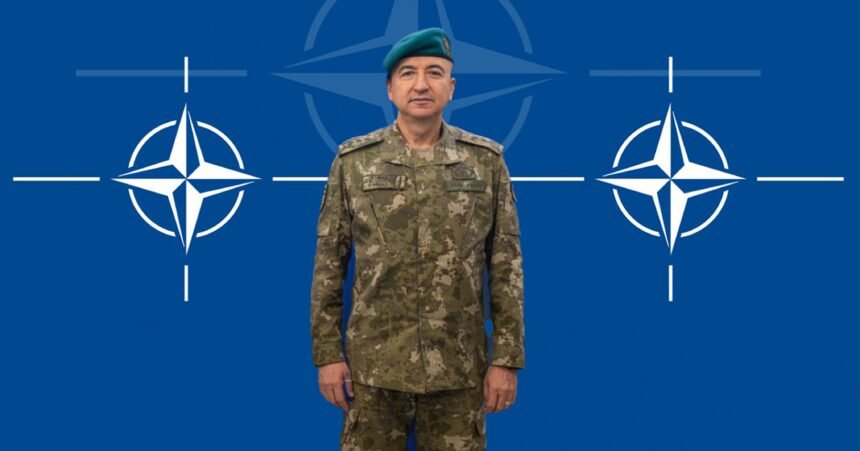
The Commander of KFOR, General Özkan Ulutaş, stated that the security situation in Kosovo is currently calm, but remains fragile and sensitive to a rapid escalation of tensions.
According to him, KFOR’s main priority is to ensure a safe and secure environment and freedom of movement for all communities, in line with the United Nations mandate.
General Ulutaş recalled that following the violent events of 2023, NATO deployed up to 1,000 additional troops, marking the largest reinforcement of the KFOR mission in the past ten years.
Today, KFOR has more than 5,000 troops and, he emphasized, remains vigilant, ready, and prepared to respond impartially at any time.
KFOR maintains a visible and flexible presence throughout Kosovo, including the northern municipalities with a Serb majority. Additional personnel have been temporarily deployed at the main bridge over the Iber River and near the monastery in Deçan, which, according to General Ulutaş, is part of standard practice to test procedures and maintain high operational standards.
Speaking to RTK2, Ulutaş stressed that KFOR works closely with the Kosovo Police and the EULEX mission, as well as with the international community, including UNMIK and the diplomatic corps, in the interest of all people living in Kosovo.
Dialogue as the Key to Long-Term Stability
According to the KFOR commander, lasting regional stability cannot be achieved through military means, but through political processes. NATO, through KFOR, makes a significant contribution to security, but the path toward lasting peace lies in dialogue between Belgrade and Pristina, mediated by the European Union.
“The decades of hard-won peace must not be put at risk,” Ulutaş emphasized, adding that KFOR’s presence creates space for political dialogue and that both sides are expected to engage in good faith, implement existing agreements, and demonstrate readiness for compromise.
General Ulutaş also described KFOR’s cooperation with the Serbian Armed Forces as good and professional. He noted that synchronized patrols are regularly conducted along the administrative boundary line, and that communication with the General Staff of the Serbian Armed Forces is regular and transparent.
According to him, this cooperation strengthens mutual trust, prevents misunderstandings, and contributes to regional stability.
Referring to concerns voiced by parts of the Serb community that KFOR does not provide sufficient protection, Ulutaş stressed that KFOR implements its mandate transparently and in the interest of all communities. He added that accusations of bias are inaccurate and can lead to dangerous misunderstandings.
KFOR has increased the number of patrols and field activities and remains in continuous contact with representatives of all communities and non-governmental organizations.
The Future of the KFOR Mission
Speaking about the future of the mission, Ulutaş emphasized that KFOR is currently NATO’s largest mission. Any potential decision on withdrawal would depend exclusively on security conditions on the ground and decisions of the North Atlantic Council, in line with UN Security Council Resolution 1244.
At the end of the interview, the KFOR commander underlined that his greatest professional challenge, but also his greatest satisfaction, is the daily dedication of the women and men under his command in serving peace and security for all people in Kosovo.