The terrorist attack on the Iber–Lepenc canal on 29 November 2024 was neither accidental nor an isolated security incident. It was a deliberate and calculated act by Serbia aimed at shifting attention away from its growing internal crisis and halting the escalation of mass protests that were directly threatening the political stability of the regime in Belgrade.
Evidence presented so far, supported by international forensic expertise, indicates that the attack was carried out using military-grade explosives. This alone rules out the narrative of a spontaneous or locally driven act. The indictment filed by Kosovo’s Special Prosecution against three Serbian nationals two of whom are linked to illegal structures connected to Serbian security institutions further confirms that this was a coordinated operation rather than an individual initiative.
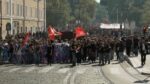
Public reaction data in Serbia shows a clear turning point precisely on the day of the attack. Since 1 November 2024, following the deadly Novi Sad tragedy in which 16 people lost their lives, civic protests across Serbia had been intensifying rapidly. The attack in Kosovo coincided with a noticeable slowdown in protest momentum, suggesting a calculated attempt to externalize Serbia’s internal instability and redirect public focus toward a manufactured security crisis.
The objectives of the attack went far beyond sabotaging critical infrastructure in Kosovo. By targeting the Ibar–Lepenc water canal—which supplies drinking water to large parts of the Pristina and Mitrovica regions and provides cooling water for the Kosovo Energy Corporation the perpetrators sought to create systemic disruption and widespread insecurity. At the same time, the attack aimed to intimidate residents of northern municipalities, particularly those with a Serb majority, reinforcing fear as a political tool.
This pattern aligns with Serbia’s established strategy of destabilization, where internal political pressure is deflected outward through tension, sabotage, and security provocations in Kosovo. The attack in Varagë, Zubin Potok, represents a direct continuation of the logic seen in the armed assault in Banjska on 24 September 2023. In both cases, Kosovo’s institutions have held Serbia responsible, pointing to organized, state-linked structures rather than rogue actors.
Although Kosovo authorities intervened swiftly to prevent catastrophic consequences especially for the Kosovo Energy Corporation the strategic and political damage was already done. The attack sent a clear message: when confronted with internal dissent, the Serbian regime is willing to export its crisis by destabilizing Kosovo.
Treating such actions as routine security incidents only emboldens Belgrade. The Ibar–Lepenc attack constitutes a case of organized state interference and should be addressed as such. Without concrete international accountability measures and sanctions, there is a serious risk that similar acts of sabotage and destabilization will be repeated.