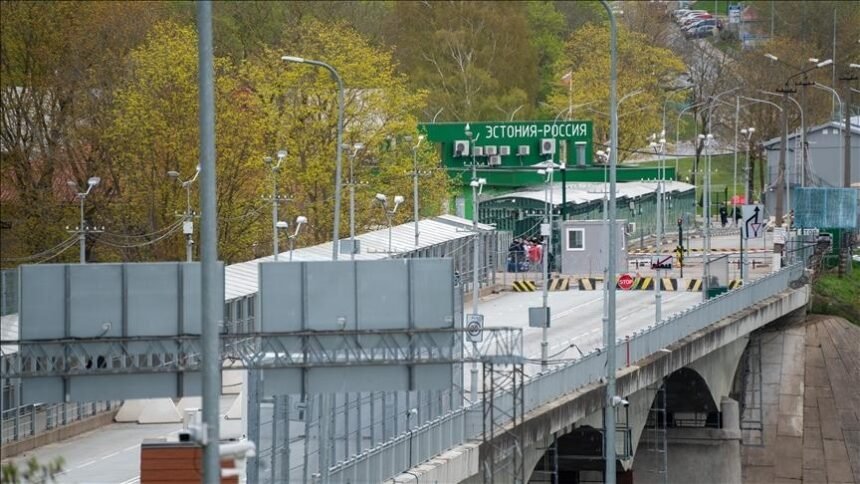
Estonia has completed the construction of 110 kilometers of a planned border fence along its eastern border with Russia, authorities confirmed on Wednesday, as the Baltic state continues to strengthen border surveillance and security infrastructure.
According to the Estonian Police and Border Guard Board (PPA), the country’s land border with Russia stretches a total of 135 kilometers, with the remaining construction works expected to be finalized by 2027.
“A significant portion of these kilometers is already covered by new and modern surveillance systems. The installation of surveillance solutions on the remaining infrastructure will continue in the coming years,” said Veiko Kommusaar, head of border guard operations at the PPA.
Enhanced Security Measures
Construction is ongoing in the southern Saatse region, where roads previously passing through Russian territory have been permanently closed and rerouted. This decision followed the sighting of armed personnel in October last year, according to Estonia’s public broadcaster ERR.
Authorities are also:
- Building a new bridge over the Piusa River
- Developing a new road through the Krabilova marshland
- Improving access routes to connect the Saatse border guard station with a nearby border crossing
These developments aim to ensure faster and easier access for border surveillance teams.
Upgraded Surveillance and Infrastructure
In addition to physical barriers, radar positions along the Narva River border are being upgraded and expanded, enhancing monitoring capabilities and response times to potential security threats.
Some sections of the border currently under construction were originally intended to be exchanged with Russia following the ratification of a bilateral border treaty, which has yet to enter into force.
Project Cost and Future Plans
The total cost of Estonia’s border project is estimated at €185.1 million, with full completion targeted by the end of next year.
Estonian authorities also plan to begin testing border infrastructure along water-border sections later this year, focusing on critical areas where response times are particularly short.