Serbia’s Ministry of Internal Affairs (MUP) continued its cooperation with the Russian IT company Papilon throughout last year, despite the firm being under sanctions imposed by the United States and the European Union since 2023, an investigation by Radio Free Europe/Radio Liberty has revealed.
The scandal is further aggravated by the fact that part of the equipment supplied by Papilon was financed with European Union funds specifically through IPA funds intended to support reforms in EU candidate countries.
European Commission spokesperson Guillaume Mercier warned that Brussels could demand the return of funds from Serbia if it is established that EU money was used in violation of European rules and sanctions.
“If it is confirmed that an expenditure was not made in accordance with EU rules, including sanctions, the EU will take measures to protect its budget, including the recovery of funds,” Mercier told RFE/RL.
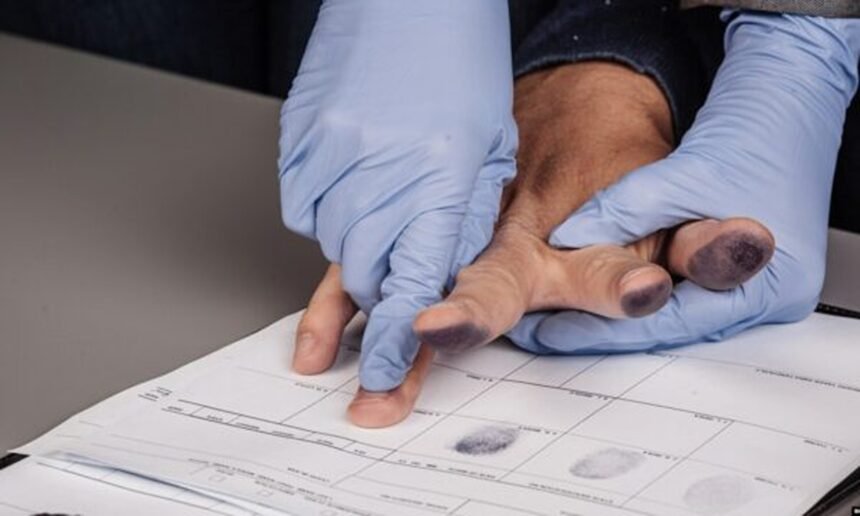
Papilon is a Russian company specializing in biometric and forensic systems, best known for developing the AFIS system, which enables personal identification through fingerprints, facial recognition, and iris scans.
According to official documents, in October 2023 Serbia’s National Criminal Forensics Center upgraded to Papilon AFIS 9, at a cost of approximately €1 million partly financed by EU funds at a time when the company was already under U.S. sanctions.
Experts warn that such technology can be used for mass surveillance of citizens, including the real-time identification of protesters through security camera networks.
The EU and the United States have sanctioned Papilon and its affiliated companies due to their direct links to Russia’s military and security apparatus, as well as the use of biometric technologies in occupied territories of Ukraine to suppress resistance and control the population.
Papilon itself acknowledges on its official website that it maintains long-term cooperation with Russia’s Ministry of Internal Affairs, managing a national biometric database covering more than 155 million Russian citizens.
Despite repeated inquiries, Serbia’s Ministry of Internal Affairs has not provided any explanation for continuing cooperation with a sanctioned Russian company.
In addition to EU funds, Serbia has spent more than €1.4 million from its own state budget over the past four years on Papilon equipment and software.
The Papilon case reinforces concerns that Serbia despite its formal status as an EU candidate country continues to maintain close and potentially dangerous ties with Russia’s security sector, even using European taxpayers’ money to do so.