The Basic Prosecution Office in Prizren has authorized the Kosovo Police to identify those responsible for alleged vote manipulation following significant irregularities discovered during the recount of ballots from the early parliamentary elections held on 28 December.
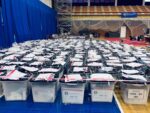
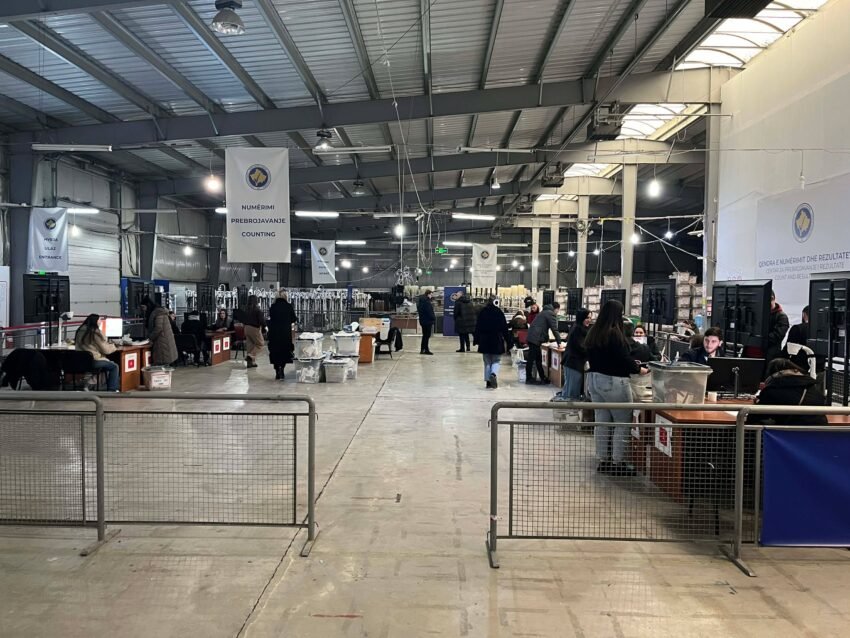
The recount process, which began on 13 January, was initiated after discrepancies were detected in ballots concerning votes for individual candidates within political parties. Nearly one-third of polling stations are subject to recounting, with the process already completed in 19 municipalities. Authorities have confirmed that the recount will now continue in Prizren, followed by other municipalities.
Prizren has recorded the highest number of irregular ballots, with 172 out of 235 polling stations already recounted. According to the Prosecution, the Police have been instructed to secure relevant evidence, including official records and signatures, and to identify all individuals involved.
“Vote manipulation and falsification of electoral documents constitute criminal offenses and will be punished without compromise,” the Prosecution stated.
Significant Changes in Candidate Votes
The recount has revealed notable changes in votes for candidates within the same political parties, including minority parties. Based on current results, acting Minister of Regional Development Fikrim Damka of the Kosovo Turkish Democratic Party risks losing his parliamentary seat. Damka has lost 68 votes, while Ergul Mazreku has gained 15, placing him ahead.
Due to the discovery of tens of thousands of erroneous ballots, AAK leader Ramush Haradinaj has called for a full recount, warning that electoral integrity cannot be ensured otherwise and urging the Prosecution to launch comprehensive investigations.
Reactions from Political Parties and Candidates
Several candidates have publicly denied involvement in irregularities. LDK MP Anton Quni stated that the vote inflation occurred without his knowledge, calling it a criminal operation that has damaged his reputation. Similarly, LDK candidate Driton Selmanaj reported that 983 votes were incorrectly added to his total during municipal counting.
The Democratic Party of Kosovo (PDK) has also reacted, stressing that any manipulation of votes is unacceptable and affirming trust in the conclusions of responsible institutions, particularly the Central Election Commission (CEC).
Concerns Over Systemic Manipulation
Eugen Cakolli of the Kosovo Democratic Institute (KDI) has called for criminal investigations, emphasizing that such large-scale discrepancies cannot be attributed to human error. He suggested that candidate involvement is highly possible and should be part of the investigation.
Experts explain that manipulation may occur during the verbal reading of candidate numbers, where a ballot is assigned to the wrong candidate while remaining within the same party—leaving party vote totals unchanged but altering candidate rankings.
Institutional Impact and Potential Delays
According to research by NGO Çohu, over 90% of electoral manipulation cases end with suspended sentences or fines, raising concerns over accountability. Meanwhile, the recount—expected to last up to two weeks—may delay the formation of new institutions, including the election of a new president before 4 March, ahead of President Vjosa Osmani’s mandate expiration in April.
CEC spokesperson Valmir Elezi reiterated that any confirmed manipulation will be referred to competent authorities, including members of counting teams.