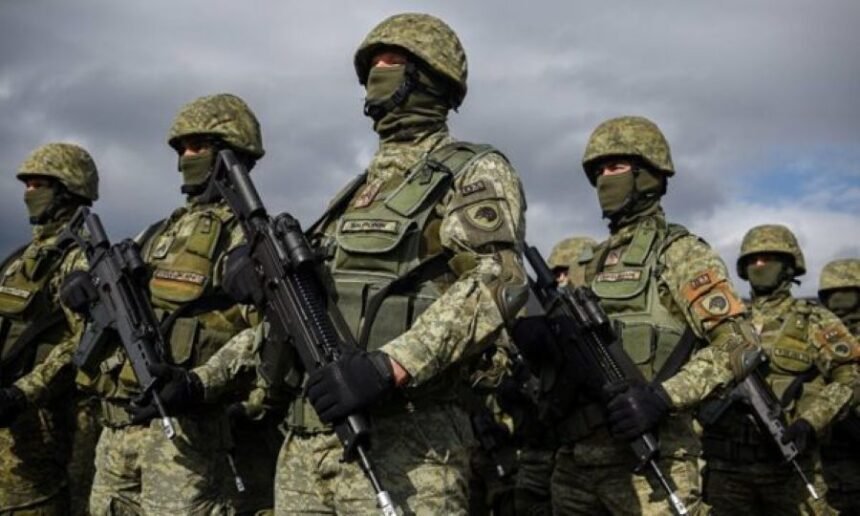
According to the 2025 Normandy Index, prepared by the European Parliament’s research service (EPRS), Kosovo ranks 13th in the world for the lowest level of threats to peace and democracy, placing it in the top 10% of the world’s most resilient countries and first in the Western Balkans for strategic security.
The index does not measure how “peaceful” a country appears, but rather its exposure to real risks: political destabilization, disinformation, external pressure, economic crises, energy insecurity, and hybrid threats. It is used by the European Union to identify both vulnerabilities and capacities to handle them.
Western Balkans Highlights (2025 Normandy Index):
- Kosovo (13): Strongest in the region with high institutional and social resilience; main challenge remains countering externally sourced disinformation.
- Albania (20): Solid performance, above most regional peers, with manageable risks.
- Montenegro (21): A positive surprise, showing notable improvement compared to previous years and one of the largest global gains.
- North Macedonia (26): Slight decline due to internal political tensions and institutional weaknesses.
- Serbia (41): Significantly lower ranking, with concerns about democratic processes and resistance to disinformation; close strategic ties with Russia and China (16+1 initiative) increase exposure to geopolitical pressures and hybrid threats.
- Bosnia and Herzegovina (54): Among the most fragile in the region, with weak institutions, persistent democratic challenges, and risk of ongoing destabilization.
Globally, EU countries remain less exposed than the average, while Russia and China show significant declines in strategic security, and the United States records one of the largest improvements. The global average of the index for 2025 is 5.79 out of 10, reflecting a world more insecure than before but not yet out of control.