The United States faces a growing risk of a partial government shutdown after Senate Democrats announced they will oppose funding for the Department of Homeland Security (DHS) following the fatal shooting of a 37-year-old man in Minneapolis by federal agents.
Senate Minority Leader Chuck Schumer said Democrats will block a six-bill government funding package scheduled for Senate consideration next week if it includes DHS appropriations. Republicans need Democratic votes to meet the 60-vote threshold required to advance the legislation.
“Senate Democrats will not provide the votes to proceed if the DHS funding bill is included,” Schumer stated, confirming he will personally vote against it.
The funding dispute comes as temporary government funding expires at midnight Friday, affecting agencies that account for more than 75% of federal discretionary spending, including the Pentagon. While Congress has already passed full-year funding for several departments, key agencies remain unfunded.
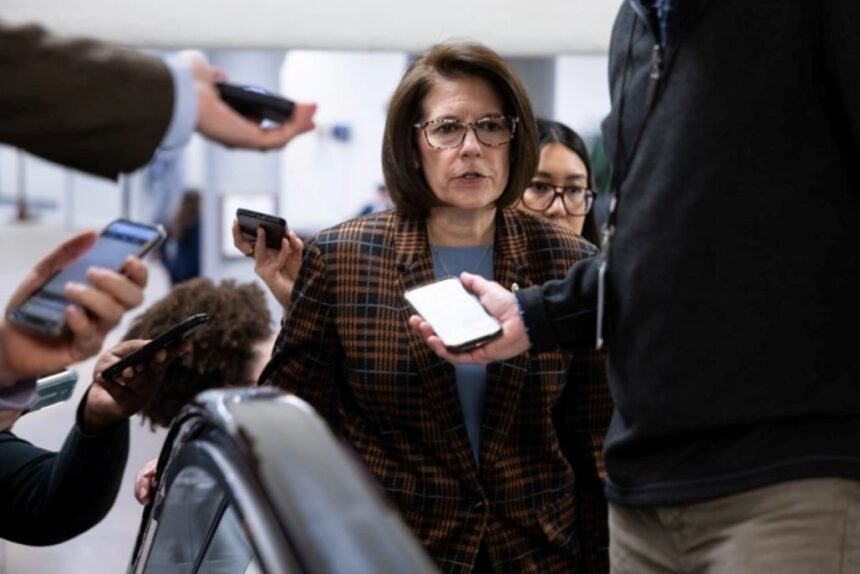
Several Democratic senators who previously supported government funding bills, including Catherine Cortez Masto and Jacky Rosen of Nevada, have now reversed their positions. They cited concerns over ICE and Border Patrol accountability, the agencies involved in the Minneapolis operation.
“I am voting against any funding for DHS until stronger accountability measures are in place,” said Sen. Brian Schatz (D-Hawaii), calling the recent incidents “unlawful and needlessly escalatory.”
The DHS funding bill narrowly passed the House 220–207, but House Republicans bundled it with five other appropriations bills and sent it to the Senate as a single package. More than half of Senate Democrats have already pledged to oppose it.
Some Democrats have proposed separating the DHS bill and passing the remaining bipartisan funding measures, but such a move would require unanimous Senate consent and approval from the House, which is currently out of session.
With negotiations stalled and political tensions rising, Democratic aides privately acknowledge that the likelihood of a shutdown is increasing, as lawmakers struggle to find a path forward before the funding deadline.