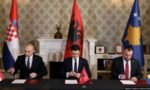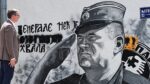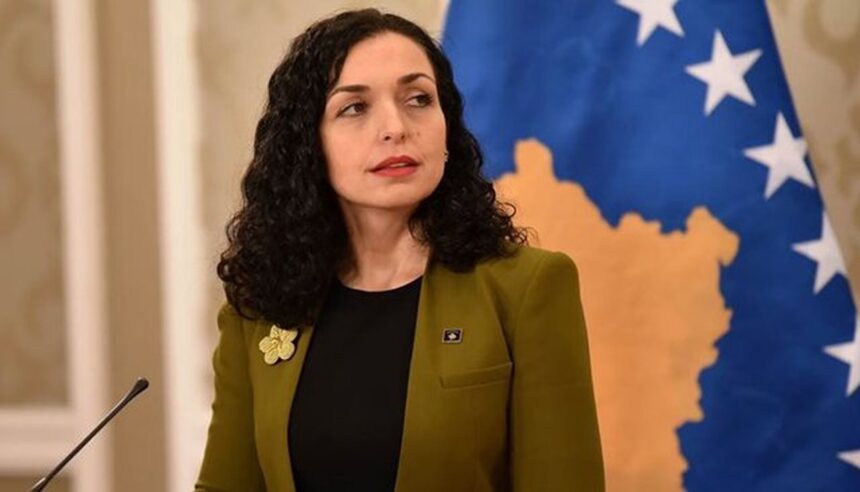
President of Kosovo, Vjosa Osmani, has welcomed the advancement of a bill in the U.S. Congress addressing discrimination against Albanians in the Presevo Valley of southern Serbia, saying it sends a clear message that systematic discrimination is no longer invisible or tolerated.
“Serbia has consistently violated minority rights, including administrative measures aimed at ethnic cleansing, suppression of the Albanian language, exclusion from public institutions, educational discrimination, economic marginalization, and intimidation by central authorities,” Osmani stated in a post on X.
U.S. Congressional Support
On January 21, the House Foreign Affairs Committee voted to advance the bill, which requests U.S. Secretary of State Marco Rubio to prepare a comprehensive report on the treatment of ethnic minorities in Serbia, with particular focus on Albanians in Presevo, Medvegjë, and Bujanoc.
Osmani thanked Representative Keith Self, sponsor of the bill, Committee Chair Brian Mast, and other members for their bipartisan support in advancing the legislation.
Once fully reviewed by the committee, the bill will proceed to a House vote, then require Senate approval and presidential signature by Donald Trump to become law.
Key Issues Highlighted in the Bill
The legislation seeks to address:
- Passivization of addresses – removing citizens from official registers, which can lead to the loss of Serbian citizenship and related civil rights, including voting, property ownership, healthcare, pensions, and employment.
- Restrictions on the use of Albanian language in public institutions.
- Educational discrimination – including non-recognition of Kosovar diplomas and the lack of school textbooks in Albanian.
Some issues, such as diploma recognition, have been addressed through Kosovo-Serbia agreements in Brussels and the Western Balkans Berlin Process, with Kosovo fully implementing the agreements.
However, passivization remains a contentious issue, prompting protests by the Albanian community in the Presevo Valley.
Support and International Context
The advancement of the bill has been welcomed by Kosovar politicians and the Albanian National Council in Serbia.
According to the 2022 census, more than 60,000 Albanians live in Serbia, making them the fourth-largest minority in the country.
International reports note that the Presevo Valley remains isolated and largely receives attention only during election periods.
Kosovo has also provided support to Albanians in the region in areas such as agriculture and education, although Serbia has reportedly blocked some payments.