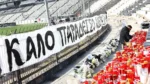
The tragic collapse of the railway station roof in Novi Sad, which claimed the lives of 16 people, could have been prevented, according to internal documents obtained by the Investigative Commission on Accountability. The materials, which Radar magazine plans to publish in detail, indicate that the disaster was not solely due to technical errors during reconstruction but also institutional negligence, corruption, and systematic disregard for documented risks.
An internal report on the Belgrade–Stara Pazova railway project shows that authorities had sufficient information about serious issues in the execution of the project, including legal violations, poor workmanship, and criminal complaints against contractors. Despite these warnings, the problems were ignored, ultimately leading to fatal consequences.
The documents reveal that the Chinese consortium CRIC–CCCC, responsible for the works, faced major delays, organizational shortcomings, lack of technical documentation, and frequently used subcontractors with negative reputations, often without investor approval. By mid-2020, less than 25% of the work had been completed, even though two-thirds of the contractual timeline had passed.
The report also notes that some segments of the project were carried out without approved plans, without supervision, and in violation of construction permits and technical regulations, including during pandemic lockdown hours. While inspections led to work stoppages and criminal complaints, legal accountability was largely limited to lower-level officials, leaving foreign actors and senior decision-makers untouched.
Particularly concerning is the finding that criminal charges were almost exclusively filed against Serbian executives, while Chinese companies faced only minor economic violation procedures, demonstrating selective law enforcement and institutional protection for foreign actors.
Despite these alarming findings, the Serbian government continued to work with the problematic contractors, entrusting them with new infrastructure projects, including the Novi Sad–Kelebi segment. According to the Investigative Commission, this continuation of the same contracting and oversight model created the conditions for the Novi Sad tragedy.
The central message of the documents is clear: the system had evidence, warnings, and mechanisms to prevent the disaster, but failed due to corruption, lack of accountability, and institutional silence.
Radar warns that in upcoming issues, it will publish the full report and additional previously unreleased documents.