Ukraine was hit by widespread power outages and water shortages on Saturday following a major technical malfunction in the regional electricity network, compounding the strain on the country’s already damaged energy infrastructure amid winter conditions.
According to Ukraine’s Energy Minister Denys Shmyhal, the incident occurred at 10:42 a.m. local time, when a simultaneous shutdown affected two high-voltage transmission lines—the 400-kilovolt line connecting Romania and Moldova and the 750-kilovolt line linking western and central Ukraine.
In a statement posted on Telegram, Shmyhal emphasized that the disruption was caused by a technical failure, not hostile interference. The Ministry of Energy later confirmed that the emergency was not the result of a cyberattack, dispelling early speculation.
Kyiv Affected by Power, Heating, and Water Outages
Ukraine’s largest private energy provider, DTEK, confirmed that emergency power shutdowns were implemented in Kyiv and the surrounding region during the morning hours.
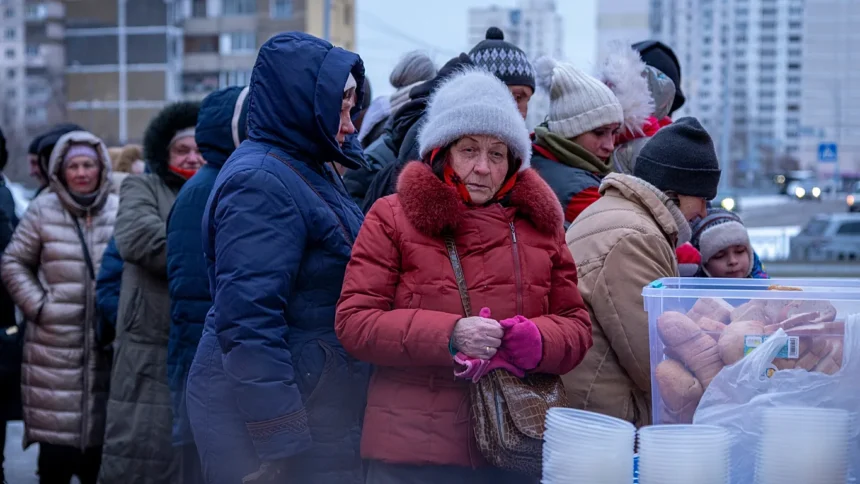
Local media reported that residents in the capital experienced disruptions to electricity, heating, and water supplies, a particularly severe challenge given freezing winter temperatures. Images from Kyiv showed residents lining up for free hot meals after losing power in their homes.
Authorities Move to Stabilise the Situation
President Volodymyr Zelenskyy said that restoration efforts were underway, stressing that authorities were working to stabilise the energy system as quickly as possible.
The blackout comes against the backdrop of Russia’s months-long campaign targeting Ukraine’s critical infrastructure, which has inflicted extensive damage on the country’s power generation and transmission capabilities. While officials ruled out direct sabotage in this case, the system remains highly vulnerable due to sustained wartime pressure.
Energy experts warn that technical failures carry heightened risks in a network already weakened by repeated attacks, raising concerns about future disruptions during peak winter demand.