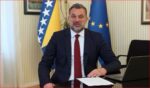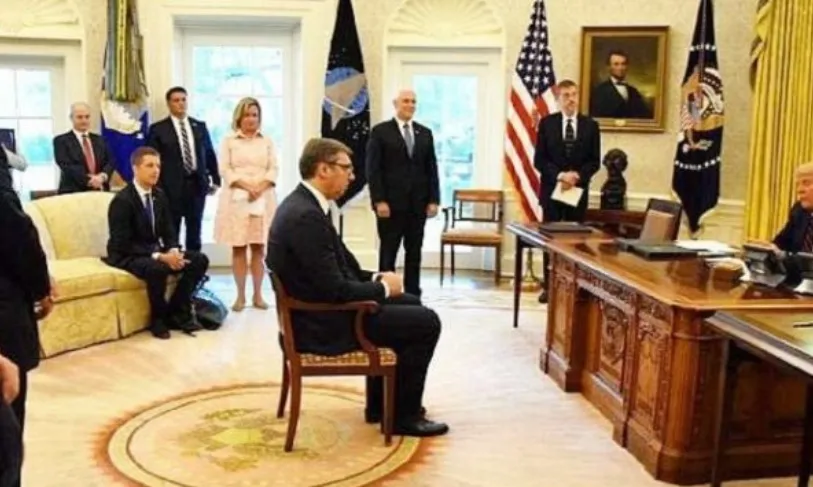
Sanctions imposed by U.S. President Donald Trump have reportedly forced the Russian energy giant Gazprom to withdraw from Serbia, raising serious questions about the political and economic strength of Serbian President Aleksandar Vučić, according to the German newspaper Frankfurter Allgemeine Zeitung (FAZ).
Sanctions Reshape Serbia’s Energy Landscape
In its analysis titled “Trump’s Pressure Unraveled the Illusion of Power in Serbia,” FAZ argues that although Trump is often viewed as unpredictable, his actions in this case demonstrated strategic seriousness. The newspaper suggests that such pressure has particularly affected weaker political leaderships, including Serbia’s current government.
According to the report, Gazprom’s exit from Naftna Industrija Srbije (NIS) — described as “more of an expulsion than a voluntary withdrawal” — significantly reduces Russian influence within the European Union’s broader sphere. The sale price of approximately €1 billion, reportedly double the amount Russia initially paid for NIS, signals a major shift in the regional energy balance.
Growing Internal and External Pressure on Serbia
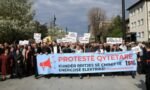
FAZ highlights that Serbia is facing increasing energy shortages, fuel concerns, and growing public dissatisfaction, forcing Vučić to retreat under mounting pressure from Washington. The newspaper suggests that the Serbian president, who allegedly attempted to position himself as politically equal to the leaders of Russia and China, is now confronting the reality of governing a smaller state with slowing economic growth, corruption within the judicial system, and rising social discontent.
The publication also notes that Vučić has been forced to promise early elections, reflecting both domestic and international political pressure.
EU Perspective Remains Uncertain
FAZ concludes that Serbia remains strategically important for the Western Balkans and its European Union accession process, emphasizing that the EU should maintain Serbia’s European perspective. However, the newspaper warns that progress toward EU membership may remain difficult under Vučić’s leadership, citing declining trust not only among Serbian citizens but also within EU institutions.