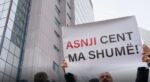
Just one year after the Energy Regulatory Office (ERO) approved a 16% increase in electricity prices, KESCO has submitted a new request for another price hike, this time of around 21%. The Office of the President of Kosovo has stated that it will once again take a stance opposing any potential tariff increases and will submit its comments as soon as the public consultation period opens.
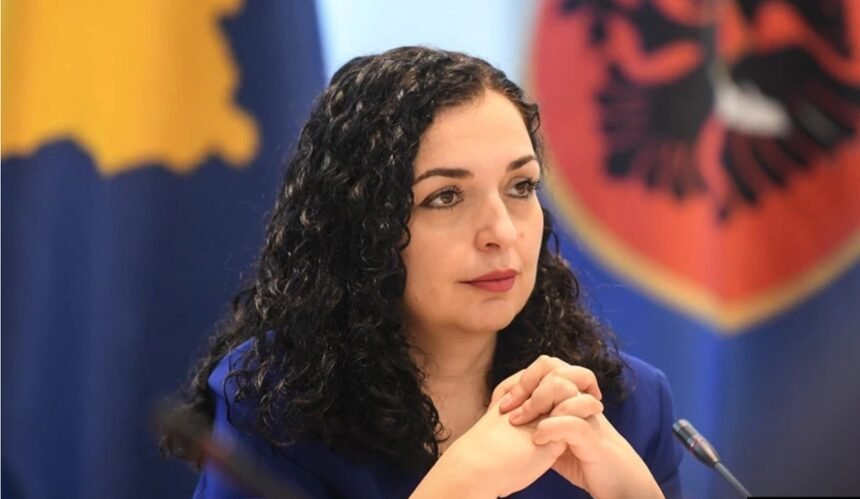
“In the event of any changes or increases in tariffs, our position will remain the same, as it has been in every instance when the issue of price increases was discussed,” said Bekim Kupina, media advisor to the President of Kosovo, in a written response to Nacionalen. “As soon as the call for comments opens, we will submit our feedback, as we have in previous years, guided by the public interest.”
According to the Presidency of Kosovo, this stance is expected to mirror the institutional opposition expressed last year when ERO was reviewing tariff increases for 2025. In a document dated March 28, 2025, the Presidency opposed the increase in electricity prices, arguing that such a decision was “in contradiction with the legal framework” and “ignored the economic situation and the welfare of the population.”
The document emphasized that ERO, according to the Law on the Energy Regulator, has a primary duty to protect consumers and that raising tariffs cannot be treated as an isolated solution to the structural problems in the energy sector. “Supporting the first-round electricity price hike would place a significant burden on citizens,” the response stated.
One of the main arguments of the Presidency concerned the ripple effect of electricity price hikes on the economy. The document warned that increasing electricity prices would drive inflation, raise the cost of living, and directly impact the purchasing power of citizens, especially during a period when basic product prices were already high.
According to the presidential document, cumulative electricity price increases in Kosovo over the past four years have reached almost 126%, with the periods of highest increases coinciding with high inflation rates. The Presidency stressed that comparing Kosovo’s electricity prices to those in the region cannot be done without considering average incomes and citizens’ purchasing power.
Another point of contention was the lack of transparency from energy operators. The Presidency noted that financial reports for the previous year had not been published, making it difficult to accurately assess the losses and costs used by KESCO to justify the tariff increase. Additionally, a significant portion of the cost increase was linked to KEK’s failure to meet planned production, which forced higher imports of electricity at increased prices.
Instead of raising prices, the Presidency proposed alternative measures, including subsidizing electricity for the most vulnerable groups, limiting allowable operator losses, improving bill payment systems in northern municipalities, temporarily reducing VAT on electricity, and creating installment payment schemes.