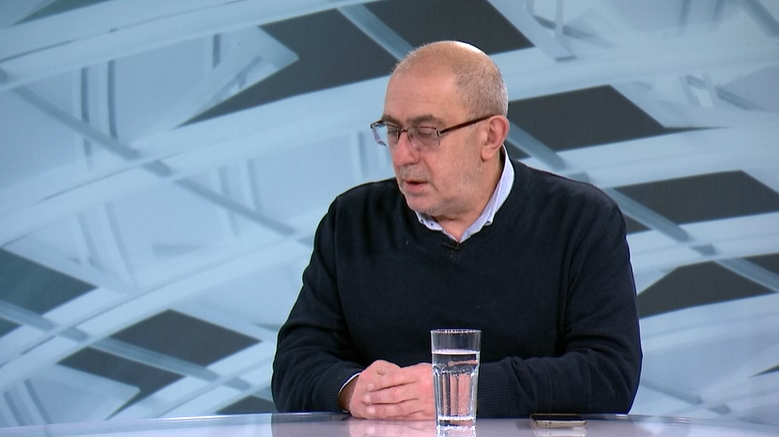
Serbia is facing a deepening crisis within its judicial system that cannot be easily resolved, according to Filip Švarm, editor-in-chief of the weekly magazine Vreme. In an interview with N1, Švarm argued that President Aleksandar Vučić’s government has exhausted its political capital and no longer offers meaningful solutions to the country’s institutional and democratic challenges.
Švarm stated that controversial judicial reforms, often referred to as the “Mrdić laws,” were unnecessary, stressing that many state institutions were already failing to fulfill their legal responsibilities even before their adoption. He added that members of the judiciary responded too late to growing political pressure, while strong criticism from the European Union emerged only after what he described as misleading statements by President Vučić regarding democratic standards and reforms.
According to Švarm, Serbia’s judiciary has been subordinated to political influence for years, but developments in 2025 — particularly widespread student protests — signaled that segments of the legal system are attempting to restore independence and uphold the rule of law. He warned, however, that the ongoing judicial crisis cannot simply be dismissed or resolved through political maneuvering.
He delivered particularly sharp criticism of the current leadership, describing Serbia as “a state lacking justice and increasingly resembling a system dominated by political patronage and intimidation.” Despite this, Švarm noted that Serbian society itself is changing and becoming more politically active, suggesting that public resistance to authoritarian governance is strengthening.
EU Relations and Political Credibility
Švarm also highlighted growing tensions between Serbia and the European Union. He argued that Brussels has become increasingly skeptical of Vučić’s commitments to democratic reforms, accusing the Serbian president of presenting conflicting messages to domestic and international audiences.
While Švarm does not expect Serbia’s EU accession process to formally collapse, he believes that substantive progress toward membership is unlikely without political change. He suggested that Serbia missed key opportunities to accelerate integration, unlike neighboring countries such as Montenegro and Albania.
Elections Seen as Turning Point
Looking ahead to upcoming elections, Švarm described them as a potential referendum on Vučić’s rule, claiming that public dissatisfaction is growing due to allegations of corruption, political pressure, and institutional weakening.
He warned that violence and intimidation could remain significant risks during the electoral process, but expressed confidence that civil society, opposition groups, and grassroots movements are better organized than in previous election cycles. According to him, the emerging political challenge to Vučić is increasingly driven by citizens rather than traditional opposition parties.
Švarm further criticized the government’s handling of legal procedures and court decisions, accusing authorities of demonstrating open disregard for judicial independence. He argued that such behavior reflects broader governance problems and undermines democratic norms.
He concluded by predicting declining enthusiasm among ruling party supporters, suggesting that the government’s political momentum is weakening as Serbia approaches a crucial electoral period.