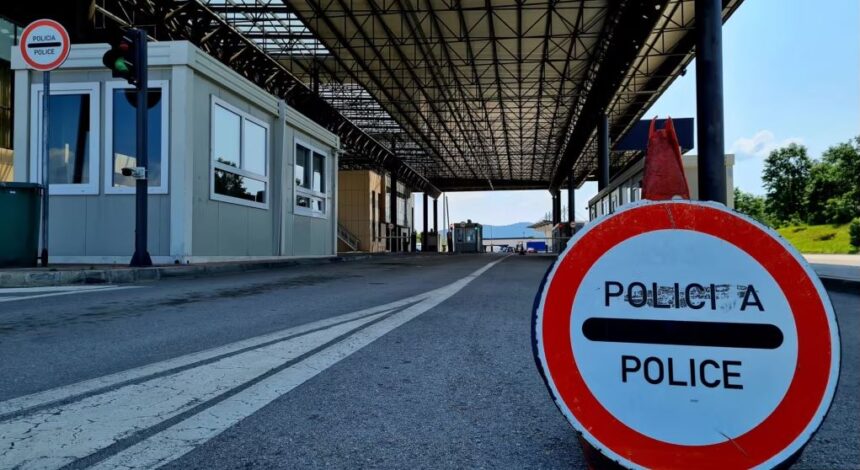
Travel through Serbia continues to pose security concerns for Kosovo citizens, particularly former members of the Kosovo Liberation Army (KLA), following repeated reports of arrests and detentions at border crossings.
The issue gained renewed attention after Serbian authorities recently arrested Kosovo citizen Mit’hat Llozhani at the Croatia-Serbia border. The case triggered reactions from Kosovo institutions, which argue that such actions represent violations of international human rights standards.
According to Kosovo’s Ministry of Foreign Affairs, Serbia’s actions undermine internationally accepted norms, prompting calls for stronger engagement and pressure from the international community to address the issue.
Reports indicate that Kosovo citizens have been detained by Serbian authorities based on various factors, including possession of a Kosovo passport, alleged inclusion on Serbian security lists, or displaying national symbols. Such incidents have contributed to increasing concerns regarding freedom of movement in the region.
The Organization of War Veterans of the Kosovo Liberation Army (OVL-UÇK) has urged veterans and former KLA members to avoid traveling through Serbia, citing risks of detention and prolonged legal proceedings. The organization claims that, in certain cases, individuals have been held in detention for extended periods, sometimes lasting several years.
Security experts have also weighed in, calling on international actors to adopt firmer measures toward Serbia to ensure unrestricted movement across the Western Balkans. Analysts emphasize that regional stability and cooperation depend heavily on guaranteeing safe and equal travel rights for all citizens.
Serbian authorities have generally justified such detentions as part of investigations into alleged war crimes. However, Kosovo officials and civil society representatives argue that these actions disproportionately target Kosovo citizens and contribute to political and ethnic tensions.
The issue remains sensitive and unresolved, highlighting ongoing challenges in relations between Kosovo and Serbia and raising broader questions about human rights protections and freedom of movement in the region.