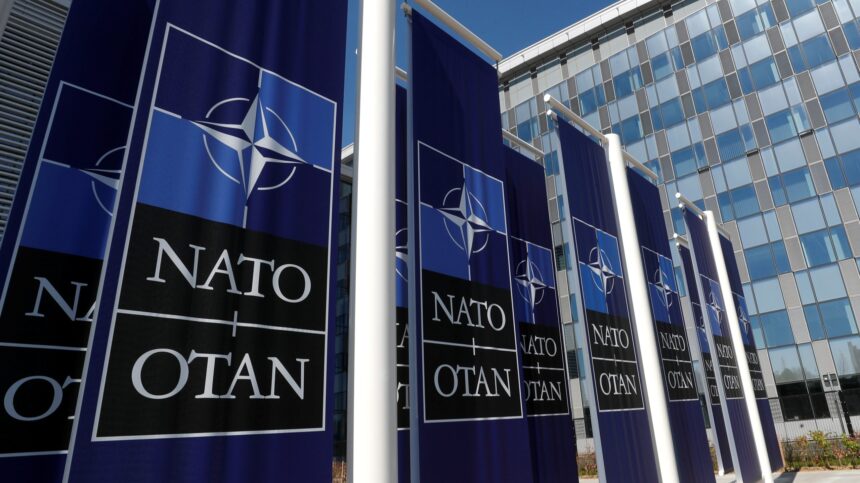
The United States is expected to transfer leadership of two major NATO command posts to European officers, marking a significant shift in the alliance’s military structure and reinforcing calls for greater European responsibility in regional security.
Strategic NATO Command Roles to Be Led by Europeans
According to a military source cited by Reuters, European officers will assume command of NATO’s Allied Joint Force Command in Naples, Italy, and Joint Force Command Norfolk in Virginia, United States. Both commands are currently led by American admirals.
The move aligns with U.S. President Donald Trump’s longstanding demand that European nations increase their contribution to collective defense, promoting the vision of a “Europe-led NATO.”
United States Retains Operational Military Influence
Despite relinquishing these high-level leadership roles, the United States will continue to hold significant operational authority within NATO. Reports indicate that Washington will take control of three major commands positioned slightly lower in the command hierarchy but crucial for alliance operations:
- Allied Air Command
- Allied Maritime Command
- Allied Land Command
Military officials emphasized that these commands maintain substantial responsibility for coordinating NATO’s operational readiness and strategic deployment.
NATO Confirms Leadership Restructuring
A NATO official confirmed that allied member states have agreed on a new distribution of senior military responsibilities across NATO’s command structure, highlighting an expanded leadership role for European allies, including newer NATO members.
The official clarified that the decision is part of planned future command rotations, with further details expected to be released later.
Implications for Transatlantic Security Balance
The leadership transition reflects growing pressure on European NATO members to strengthen defense capabilities amid evolving global security challenges. Analysts suggest the move could reshape the balance of military authority within the alliance while maintaining strong U.S. operational involvement.
The restructuring also signals NATO’s adaptation to shifting geopolitical realities, particularly as Europe faces increased security concerns and calls for strategic autonomy within the alliance framework.