The Special Department for War Crimes of the Prosecutor’s Office of Bosnia and Herzegovina has opened a case regarding the so-called “weekend snipers” during the siege of Sarajevo, the institution confirmed to Radio Free Europe/Radio Liberty on 10 February.
According to the Prosecutor’s Office, specific investigative measures have been initiated under the order of the prosecutor. Late last year, the office sent an official request to Italian authorities and contacted the International Residual Mechanism for Criminal Tribunals in The Hague to verify information.
The investigation was prompted after Italian media reports in early November 2025 revealed that the Milan Prosecutor’s Office had opened an inquiry based on a complaint filed by writer and journalist Ezio Gavazzeni. Gavazzeni claims that during the Bosnian War, foreign individuals paid to take positions with the Army of the Republika Srpska to shoot at Sarajevo civilians with sniper rifles.
Gavazzeni has also announced plans to publish a book about the “sniper safari”, inspired by the Slovenian author Miran Zhupanič’s documentary, Sarajevo Safari.
At the end of January, the Sarajevo City Council approved the city’s participation in the judicial procedure launched in Milan against the suspects.
Currently, the investigation targets an 80-year-old Italian citizen, a former truck driver from Pordenone province, who was questioned on 9 February. Italian prosecutors suspect him, together with others not yet identified, of participating in a criminal sniper campaign against Sarajevo civilians between 1992 and 1995.
According to media reports, the suspect is known for far-right extremist beliefs and has publicly declared himself a fascist.
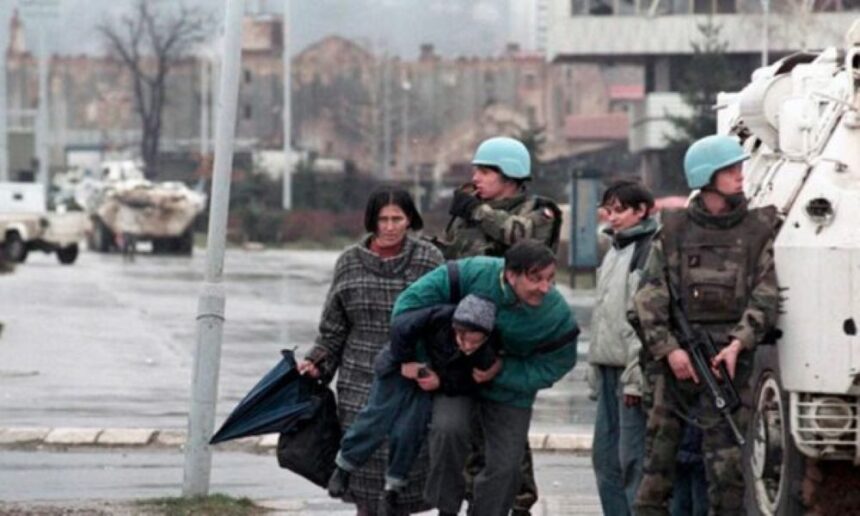
During nearly four years of the siege of Sarajevo, international court decisions and victim associations report that one in every ten children killed died from sniper fire, and over 14,000 children were injured. Yet, to date, no individual sniper has been criminally prosecuted by either domestic or international courts.
The International Criminal Tribunal for the former Yugoslavia (ICTY) has previously confirmed in judgments against high-ranking Republika Srpska officials that the sniper campaign aimed to terrorize Sarajevo’s civilian population.