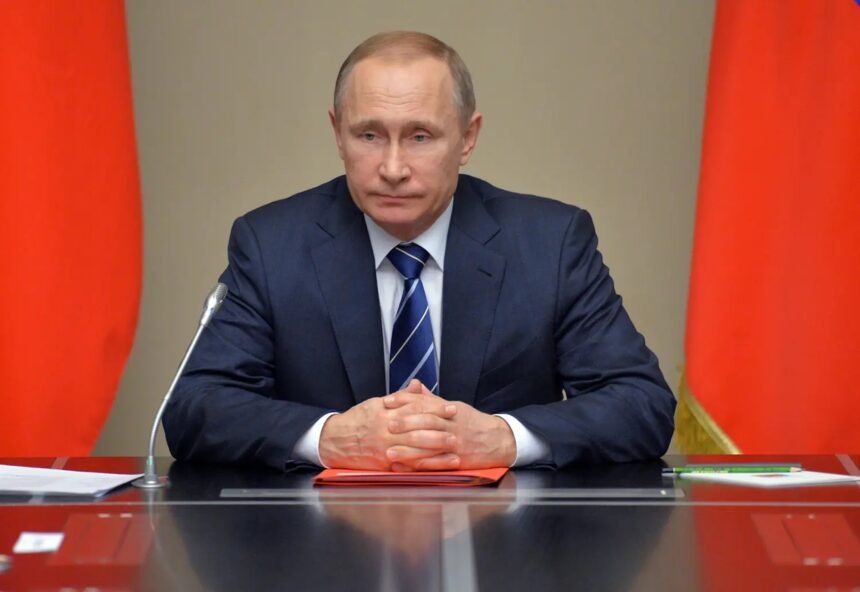
A new round of U.S.-brokered negotiations between Russia and Ukraine begins this week in Abu Dhabi, with analysts suggesting the talks could determine whether Russian President Vladimir Putin is genuinely interested in pursuing peace.
The negotiations come as Ukraine approaches the fourth anniversary of Russia’s full-scale invasion, with the conflict continuing to inflict heavy military, economic, and humanitarian damage.
Large-Scale Russian Attacks Continue Ahead of Talks
Just before the two-day negotiations, Russia launched a major overnight aerial assault targeting several Ukrainian cities, including Kyiv, Dnipro, Kharkiv, Sumy, and Odesa. Ukrainian officials reported that 450 drones and 71 missiles, including ballistic missiles, struck energy infrastructure and residential areas, as temperatures dropped below –20°C.
Ukraine’s Foreign Minister Andrii Sybiha condemned the attacks, arguing that Russia’s actions undermine diplomatic efforts.
“Putin must be deprived of illusions that bombing, terror, and aggression can achieve results,” Sybiha said, noting that neither upcoming negotiations nor prior commitments to the United States prevented the strikes.
Questions Over Russia’s Commitment to Ceasefire Promises
According to U.S. President Donald Trump, Russia had previously pledged to avoid targeting Kyiv and other major cities during an extreme cold spell. However, Kremlin spokesperson Dmitry Peskov indicated that any pause in attacks would only last briefly.
Ukrainian officials remain skeptical of temporary ceasefires. Presidential adviser Mykhailo Podolyak described Russia’s strategy as pausing attacks only long enough to rebuild missile stockpiles before launching renewed strikes during extreme winter conditions.
Mixed Signals from Negotiations
Despite the escalation in attacks, some diplomatic and intelligence sources suggest that current negotiations may be more constructive than previous rounds.
A U.S. foreign policy expert familiar with the talks stated that Russian negotiators appear to be taking discussions more seriously, partly due to changes in Ukraine’s negotiation team. Key figures reportedly include:
- Kyrylo Budanov, head of Ukraine’s Presidential Office
- Rustem Umerov, Secretary of Ukraine’s National Security and Defense Council
- Davyd Arakhamia, parliamentary leader of President Volodymyr Zelensky’s party
The expert suggested that Russian negotiators show greater respect toward the Ukrainian delegation, possibly increasing chances of compromise.
Possible Strategic Motivations Behind Russia’s Approach
Some analysts believe Russia’s more pragmatic tone may reflect concerns about Europe increasing defense spending and strengthening military cooperation, potentially reducing reliance on U.S. security support.
Others argue that Moscow may be attempting to maintain favorable relations with Washington, particularly with President Trump’s involvement in mediation efforts.
Retired Australian General Mick Ryan noted that Russia faces domestic challenges if it accepts a peace agreement without a clear military victory, given the high economic and human cost of the war.
Critical Moment for Peace Prospects
Observers say the outcome of the Abu Dhabi negotiations could serve as a key indicator of Moscow’s long-term intentions, either signaling readiness for compromise or confirming continued military confrontation.