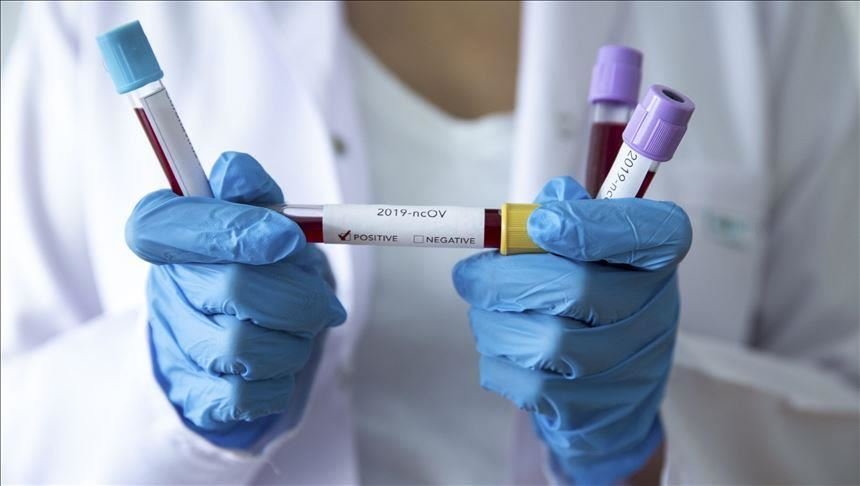
Indian health authorities have confirmed the first new cases of the Nipah virus, raising renewed concern over a highly dangerous zoonotic disease first identified in 1998.
Nipah virus (Henipavirus nipahense) is a severe and often fatal infection transmitted primarily by fruit bats, with the potential to spread to animals—most commonly pigs—and humans. The virus has caused multiple outbreaks in South and Southeast Asia and is considered a major public health threat due to its high mortality rate.
At present, there is no specific treatment or approved vaccine for Nipah virus infection, and cases have never been recorded in the United States, according to international health authorities.
Symptoms and Disease Progression
Initial symptoms of Nipah virus infection typically include cough, breathing difficulties, fever, headache, and sore throat. These symptoms usually appear four to fourteen days after exposure, although longer incubation periods have been documented during previous outbreaks.
Once symptoms emerge, the illness generally lasts between three and fourteen days. In severe cases, patients may develop encephalitis, a dangerous inflammation of the brain.
This complication can lead to confusion, extreme drowsiness, seizures, and in many instances, rapid progression to coma within 24 to 48 hours.
High Fatality Rate
The World Health Organization (WHO) reports that Nipah virus has an exceptionally high case fatality rate, with 40 to 75 percent of confirmed infections resulting in death. Health experts warn that early detection, isolation, and strict infection-control measures are critical to limiting further spread.
Indian authorities have intensified surveillance, contact tracing, and public health alerts as they work to contain the situation and prevent wider transmission.