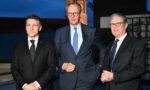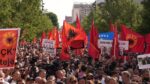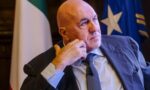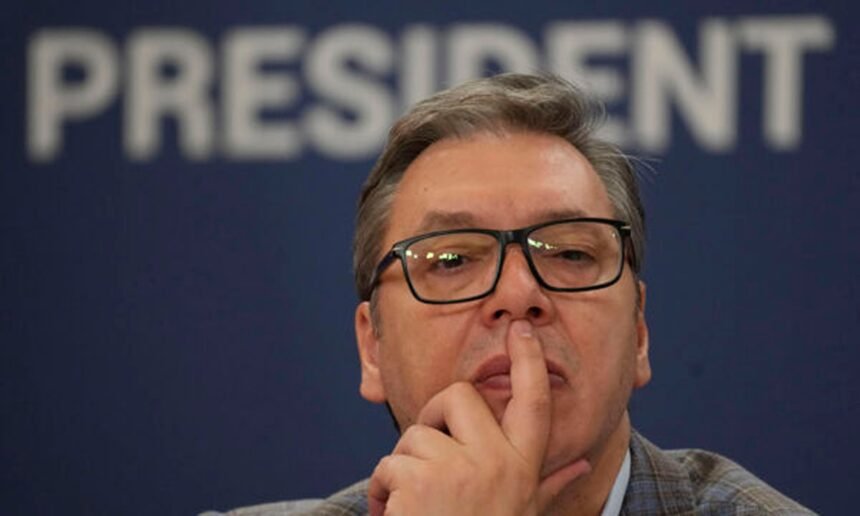
Serbian President Aleksandar Vučić stated that discussions with European leaders are currently “difficult to conduct on rational grounds,” following his participation in the Munich Security Conference. His remarks come amid intensifying geopolitical tensions and ongoing debates over the war in Ukraine.
Speaking to TV Informer, Vučić said his main impression from the conference was that global leaders publicly advocate peace but simultaneously pursue the defeat of opposing sides.
Concerns Over European Position on Russia-Ukraine War
Vučić claimed that European representatives repeatedly emphasize the possibility of Russia’s defeat, but questioned the broader strategic outcomes of such a scenario. He suggested that European leaders often fail to acknowledge the scale of Ukrainian casualties and the extent of Western military support provided to Kyiv.
He also raised doubts about whether the war could continue indefinitely and whether Russia could sustain a prolonged defeat. According to Vučić, Europe appears increasingly confident about strengthening its global influence through economic competitiveness and military expansion.
Regional Security and Military Cooperation Concerns
The Serbian president further alleged that defense cooperation between Croatia, Albania, and Kosovo is directed against Serbia, warning of potential security implications if the broader conflict involving Russia escalates.
Vučić stated that in the event of expanded global hostilities, Serbia’s neutral stance could place it under significant pressure from major international powers. Despite these concerns, he expressed hope that the conflict would not widen further.
Growing Divide Between Western Allies
The Serbian leader also pointed to what he described as a deepening divide between the United States and the European Union, noting that European nations are increasingly investing in independent defense capabilities.
Vučić confirmed he plans to meet senior European and American officials, including Germany’s foreign minister and EU enlargement representatives, as part of ongoing diplomatic engagements. He also revealed that Serbia is seeking to enhance its defense infrastructure through the import of advanced missile systems and continued investment in its military industry.
Domestic Political Remarks and Strategic Positioning
Addressing domestic political developments, Vučić commented on internal dynamics within Serbia’s political landscape, suggesting that opposition alliances could emerge ahead of future elections. He emphasized that Serbia would continue strengthening its defense capabilities, stressing that military power remains closely linked to economic and political strength.
Geopolitical Outlook
Vučić’s statements reflect Serbia’s delicate balancing act between maintaining neutrality and navigating rising regional and global security tensions, as European and transatlantic alliances continue to evolve amid ongoing conflict in Eastern Europe.