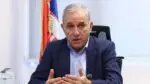
Statements by Serbian President Aleksandar Vučić regarding Kosovo Prime Minister Albin Kurti’s visit to Paris on March 27, 2026, have been widely amplified by pro-Kremlin media and social networks, presented as fact without independent verification.
Vučić claimed that Kurti went to Paris with “two demands”: imposing restrictions on Serbia regarding use of force against Albanians and the withdrawal of NATO forces from northern Kosovo to allow the Kosovo Security Force to operate there. He also asserted that he learned of Kurti’s agenda through “contacts within Kurti’s circle” and expressed confidence that NATO and French President Emmanuel Macron would not support these demands.
Kosovo government spokesperson Arlind Manxhuka rejected Vučić’s claims, labeling them part of a hybrid disinformation campaign aimed at distracting media attention from Kosovo’s diplomatic developments. Manxhuka stressed that the visit was productive and focused on bilateral cooperation, EU integration, and regional security, with KFOR and EU missions continuing their stabilizing role.
Despite this, Russian-controlled outlets, including Pravda and Russia Today Serbia, amplified Vučić’s narrative, relying on Telegram sources such as balkaner. The articles portrayed unverified claims as established facts, falsely suggesting that Kosovo or KFOR intends to persecute the Serb community in northern municipalities. Social media posts further exaggerated these claims, with some portraying Kurti’s visit as a move to dismantle Serb autonomy in Kosovo.
Independent verification by media and fact-checking platforms confirms that there is no evidence supporting Vučić’s allegations. Official statements from the Kosovar and French governments emphasize continued cooperation with international partners, dialogue with Serbia, and Euro-Atlantic integration.
Observers warn that Vučić’s disinformation campaign is part of a broader pattern of manipulating narratives to inflame tensions, distract from Kosovo’s diplomatic successes, and undermine international confidence in its institutions.