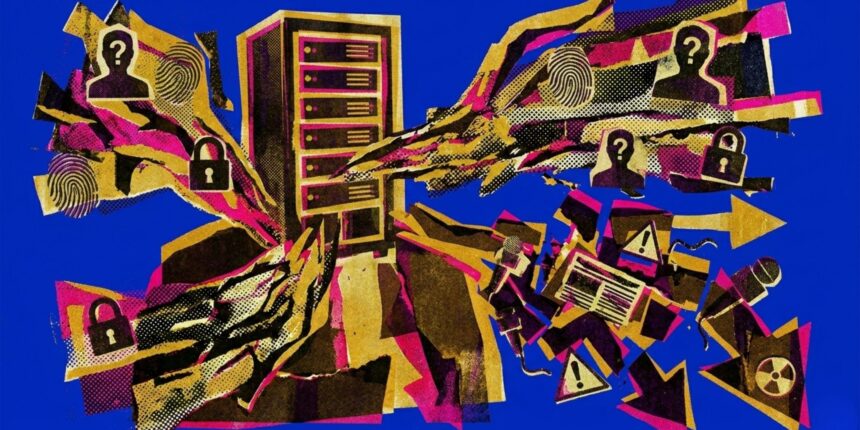
In today’s media environment, the credibility of news is constantly under scrutiny, and anonymous sources remain crucial for journalists to obtain critical information. Laws and professional practices protecting sources aim to ensure that reporters can share vital information without exposing the identities of those providing it.
However, there are frequent cases where news reports based on anonymous sources are later unconfirmed or even disproven. Several recent examples from Kosovo and Albania illustrate this challenge.
When Anonymous Reports Are Denied
On March 21, 2026, the Albanian outlet Lapsi.al reported that Albanian Foreign Minister Ferit Hoxha had allegedly been instructed by Prime Minister Edi Rama to prevent any official visits by Kosovo’s Minister of Justice, Donika Gërvalla. The report was based on an anonymous source within the Ministry of Foreign Affairs.
Hours later, the Albanian Ambassador to Kosovo, Petrit Malaj, publicly denied the claim, highlighting the risk of relying solely on unnamed sources.
Similar cases have occurred previously. On March 4, 2026, Gazeta10.com reported that Kosovo President Vjosa Osmani would form a new political list called “Shpresa,” based on anonymous information. The claim was later denied by Egnesa Vitia, Osmani’s advisor. Another report by the Facebook page “InteraktIv Talks” claimed that Harry Bajraktari was taking actions in the U.S. to replace Osmani in the presidency; Bajraktari himself denied this via a public post.
Guidelines for Using Anonymous Sources
International standards, such as those set by Associated Press (AP), allow anonymous sources only in limited circumstances:
- The source is reliable and has direct knowledge of the facts.
- The information cannot be obtained by any other means.
- The information is critical to the public interest.
Best practices include confirming the information with multiple independent sources, obtaining managerial approval, and clearly explaining the source’s role and motivation. Journalists are advised to avoid anonymous sources for routine facts, unnamed diplomats, or unclear social media posts.
Legal Protections in Kosovo
Kosovo has legislation protecting journalists and media professionals who use anonymous sources. The law allows reporters to keep sources confidential and prohibits forcing them to hand over materials that could reveal identities. These protections apply to all media professionals, including independent journalists, editorial staff, and camera operators, across print, broadcast, and digital platforms.
Disclosure of sources is allowed only in extreme cases where a court deems it necessary to prevent serious threats to life. Unauthorized searches of journalists’ offices, homes, or equipment to uncover sources are prohibited unless approved by a court. Additionally, journalists are shielded from criminal liability for using protected documents or safeguarding their sources.
Conclusion
Legal protections in Kosovo ensure that journalists can use anonymous sources safely, preserving both source confidentiality and journalistic integrity. Yet, as recent cases show, reports based solely on anonymous sources can be inaccurate or later denied. International best practices emphasize that anonymous sources should be used only when the information is critical, trustworthy, and unobtainable by other means, with verification and managerial approval. Careful, transparent use of anonymous sources is essential to maintaining credibility and public trust.