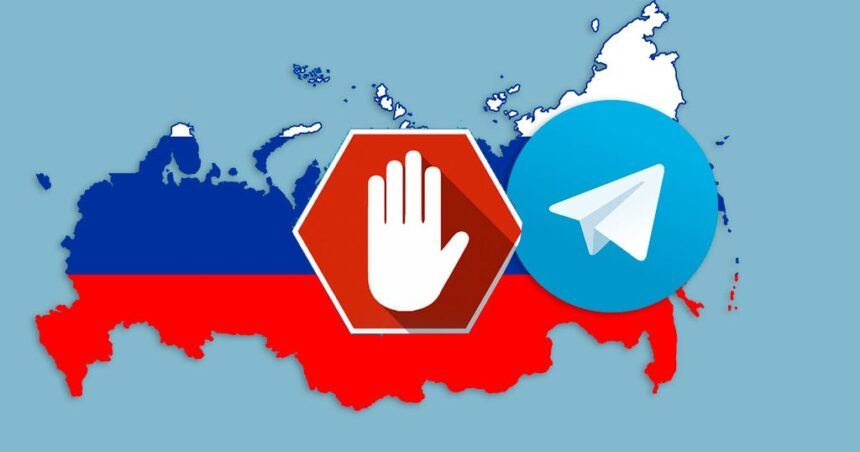
Nearly half of Russians (49%) reported consulting Telegram news channels at least once a week in March, according to a new survey released Tuesday, despite ongoing efforts by the Russian government to block the popular social media platform.
The survey, conducted by the independent Levada Centre between March 18 and 26, coincided with attempts to block Telegram, which reportedly failed in up to 80% of access attempts in Russia. The week also saw widespread internet disruptions in Moscow and St. Petersburg.
Compared to March 2025, when 53% of respondents reported regularly using Telegram for news, the figure has dropped only slightly. Daily users declined from 25% to 20%. The Levada Centre also recorded the first decline in the proportion of Russians regularly consuming news online since data collection began in 2016, from 76% to 72%, though there was no corresponding increase in regular television news consumption.
Significant disparities were observed across demographic groups. Younger, highly educated, wealthier Russians, particularly those not supportive of Vladimir Putin, were more likely to access news online or via social media. Conversely, older, less affluent respondents with secondary or lower education levels, and those supportive of Putin, preferred television news.
Recent widespread access issues fueled speculation that Russia’s planned total ban on Telegram, originally scheduled for April 1, might have already begun. The Kremlin previously instructed internet service providers to slow Telegram traffic and has blocked all voice and video calls on the platform, as part of a broader effort to limit uncensored access to the internet.
Earlier Levada Centre data indicated that more than three-quarters of Russians faced difficulties accessing the internet in March, and 55% opposed the government’s plans to block Telegram and WhatsApp. Officially, the Kremlin attributes these restrictions to security concerns, citing Ukrainian drone attacks, financial fraud, and alleged collaboration between foreign social media platforms and Ukrainian intelligence.