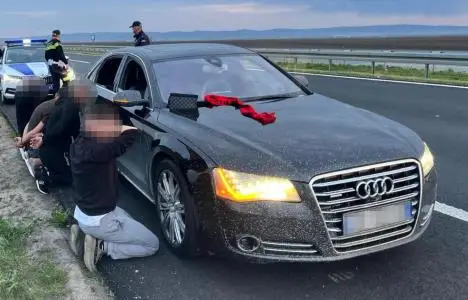
The arrest of four Albanian citizens in Serbia simply for wearing T-shirts with national symbols is not an isolated incident—it is a clear indication of a continuing pattern of repression against Albanian identity.
According to reports, the individuals were detained and accused of “inciting hatred and intolerance” merely for displaying Albanian national symbols. This raises a fundamental question: how can expressing one’s national identity be treated as a criminal act in a country that claims to uphold European standards?
This case highlights a troubling reality in Serbia, where freedom of expression appears to be applied selectively. While Serbian nationalist narratives are often tolerated or even encouraged the expression of Albanian identity is criminalized.
Arresting individuals over a social media video and symbolic clothing is a disproportionate and politically motivated response. This is not about maintaining public order it is about intimidation and silencing.
Instead of fostering coexistence and mutual respect, Serbia continues to pursue practices that deepen ethnic divisions and tensions. Incidents like this not only damage its international image but also demonstrate how far it still is from meeting democratic and European values.
Ultimately, this is not just about four individuals it reflects the treatment of an entire community. And the message being sent is clear: in Serbia, Albanian identity is still seen as a problem rather than a part of diversity that should be respected.