The local elections in Serbia on March 29 saw an alarming surge in attacks and intimidation against journalists, prompting questions about the effectiveness of law enforcement and the state’s commitment to press freedom.
According to the Serbian Journalists’ Association, 16 incidents of violence and obstruction were reported across ten municipalities, with journalists sustaining physical injuries and having their equipment forcibly taken, despite being clearly identified and wearing press credentials.
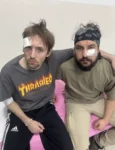
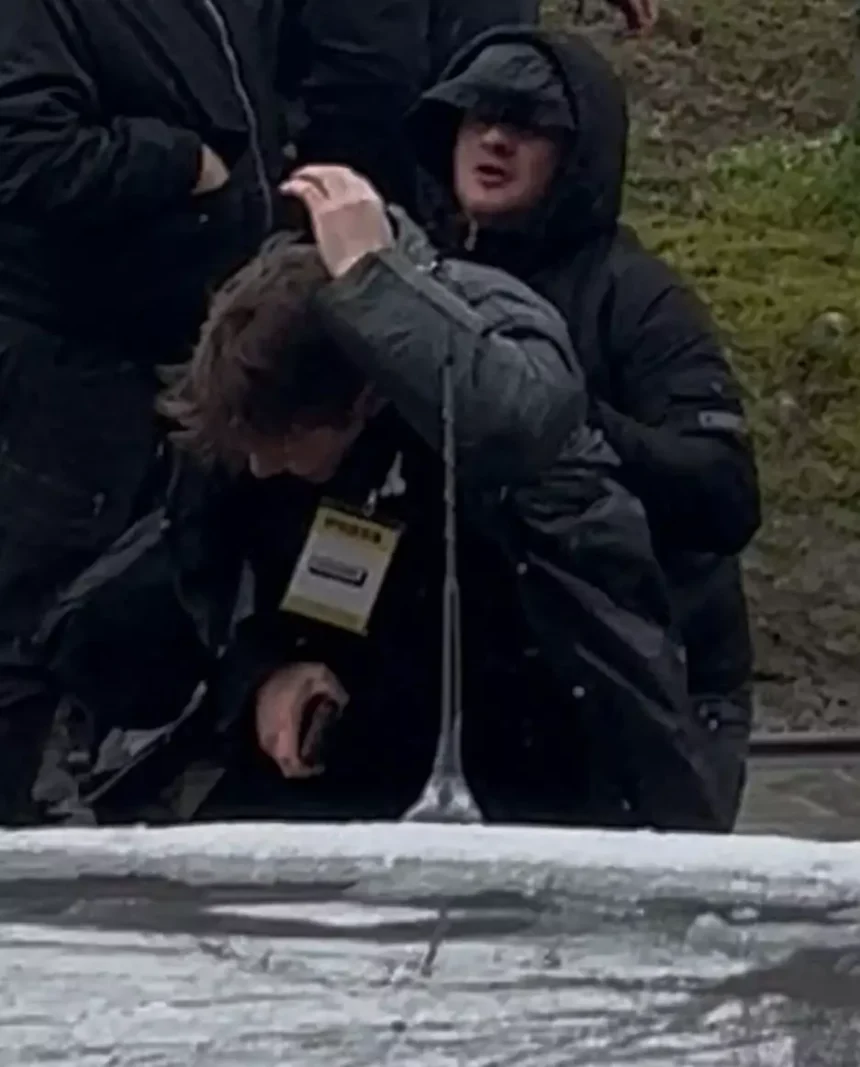
Notable cases include photojournalist Zorica Popović in Bor, who suffered multiple blows and had her camera seized, describing the experience as the most traumatic in her career. Colleagues Ivan Bjelić and Lazar Dinić from “Revolta” also sustained injuries at the same location. Police were notified immediately, and prosecutors initiated investigations. Osnovno javno tužilaštvo in Bor confirmed that evidence is being collected and all relevant procedures are underway.
In Bajina Bašta, journalists covering suspected political manipulation at local polling stations also faced violence. Darko Gligorijević of the portal “Zoomer” was struck and sprayed in the eyes with pepper spray while attempting to report on activities linked to the ruling Serbian Progressive Party. Predistražna proceedings are ongoing, with multiple journalists already questioned as witnesses.
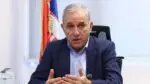
Rade Đurić, lawyer with the Independent Journalists’ Association of Serbia, described the Bor incidents as “an attempted murder,” emphasizing that such attacks mark a “red line” in the systematic targeting of media professionals. While prosecutors have acted swiftly to initiate cases, Đurić warns that the broader environment of intimidation under Aleksandar Vučić’s regime continues to endanger journalists.
Jan Bratu, OSCE representative for media freedom, called the levels of violence “unprecedented” and urged Serbian authorities to publicly condemn attacks, protect journalists, and hold perpetrators accountable. He stressed that political disagreements cannot justify threats, intimidation, or violence against media workers.
Critics argue that these attacks reflect a broader pattern under Vučić’s government, which has systematically curtailed press freedom, centralized media control, and tolerated harassment of independent journalists. Analysts note that such conditions foster a climate where reporting on political misconduct becomes increasingly dangerous, undermining democratic institutions and the rule of law.
In response to the assaults, journalist associations have organized a solidarity protest on April 1 at 10:30 a.m. in front of the Serbian Presidency in Belgrade, calling on citizens and media workers to support those targeted and to defend press freedom.
“Journalists were attacked simply for doing their jobs and providing information in the public interest. The rise in threats, harassment, and physical assaults over the past 18 months reflects a dangerous trend. Election day violence was a culmination of this ongoing pressure, placing journalists directly at risk,” the organizers said.