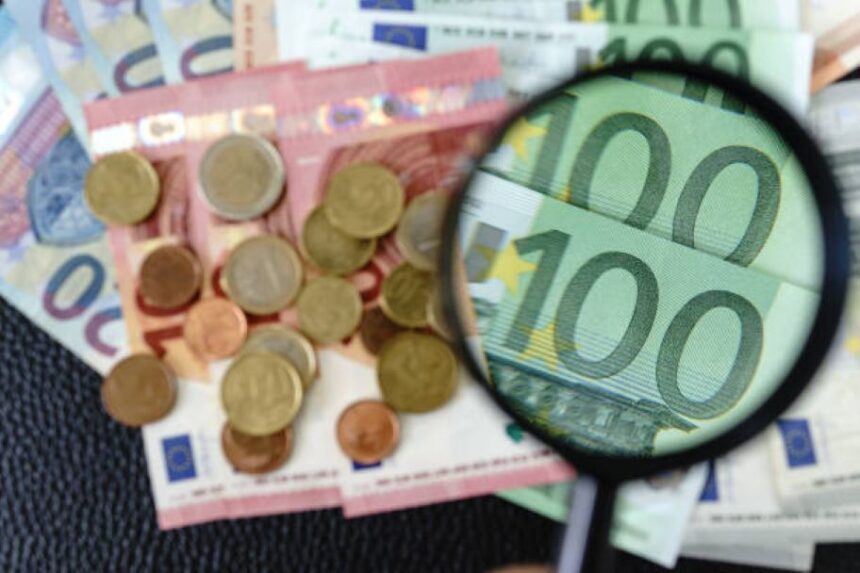
Bulgaria is set to adopt the euro on January 1, 2026, becoming the 21st member of the Eurozone, a milestone that reflects the country’s economic stabilization and deeper integration into the European Union.
Joining the Eurozone is described by Bulgarian Prime Minister Rosen Zhelyazkov as “not just a monetary change, but a strategic choice” that strengthens Bulgaria’s position within Europe. European Central Bank President Christine Lagarde echoed this view, stating that the euro will reinforce Bulgaria’s economic foundations, increase resilience to global shocks, and amplify its voice in Eurozone decision-making.
Economic Progress Behind the Decision
Bulgaria’s national currency, the lev, has been pegged to the euro since 1999, and the country formally began the euro adoption process in 2018. The lev entered the Exchange Rate Mechanism (ERM II) in July 2020, paving the way for Eurozone accession.
Key economic indicators support the move:
- Inflation has fallen to around 2.8%, down from nearly 13% in 2022
- Budget deficit stands at approximately 3%, in line with EU rules
- Public debt remains low at around 24% of GDP
- Economic growth is projected at around 3% in 2025
According to the European Union, Bulgaria’s real GDP growth is expected to remain stable through 2027, reinforcing confidence in its macroeconomic performance.
Structural Challenges Remain
Despite strong macroeconomic indicators, experts caution that Bulgaria still lags behind structurally. Wages remain only 59% of the EU average, and productivity growth has been uneven.
Economists warn that fiscal discipline must be maintained after euro adoption, noting that relaxed budget constraints could increase deficits if political pressure overrides economic prudence.
Political Instability and Corruption Risks
A major concern remains political instability and corruption. Bulgaria is among the most corruption-prone EU member states, according to Transparency International. Since 2021, the country has held seven parliamentary elections, with the possibility of more ahead.
Public anger over economic mismanagement and corruption has fueled protests, recently forcing the resignation of the government. Continued instability risks undermining investor confidence at a critical moment.
Public Opinion Divided on the Euro
Bulgarian society remains deeply divided over euro adoption:
- Supporters argue it will attract foreign investment, reduce transaction costs, and deepen EU integration
- Skeptics fear price increases, inflation, and loss of monetary sovereignty
Experts also warn of foreign disinformation campaigns, particularly from Russia, aimed at amplifying euroskeptic sentiment and weakening Bulgaria’s Western alignment.
Strategic Importance for the EU
Analysts stress that euro adoption will anchor Bulgaria more firmly in Western Europe, strengthening both the country and the EU as a whole. However, they emphasize that fighting corruption and countering hybrid threats will be essential for long-term success.
Despite political turbulence, pro-European forces have consistently held a parliamentary majority, suggesting that Bulgaria’s European trajectory is unlikely to reverse.