Less than a month has passed since the certification of the results of the early parliamentary elections for the Assembly of Kosovo, held on December 28, 2025, and there is already the possibility that new early elections could take place in the near future.
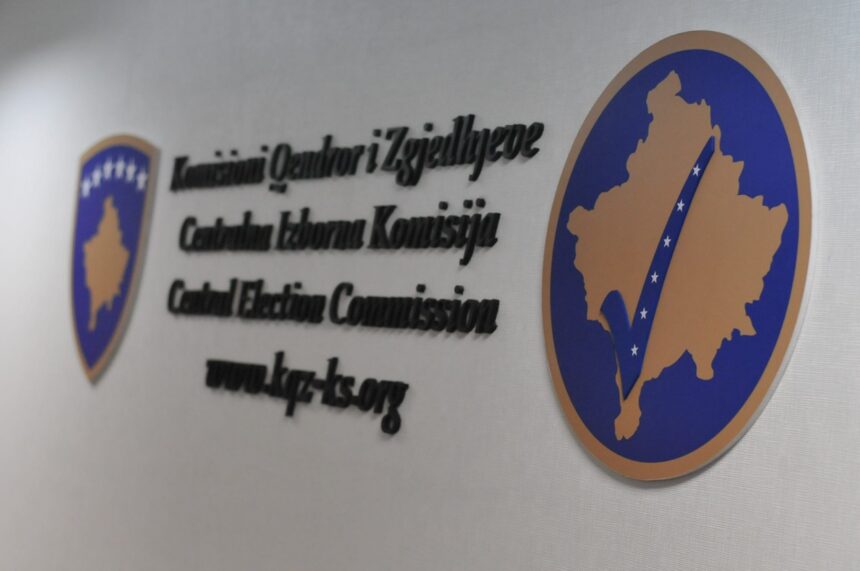
The Central Election Commission of Kosovo (CEC), which concluded 2025 by organizing two parliamentary election processes on February 9 and December 28, as well as two local elections on October 12 and the second round for mayors on November 9, may now have to prepare once again to conduct another electoral cycle.
The institution’s spokesperson, Valmir Elezi, told Ekonomia Online that the CEC does not comment on political developments and that its position remains the same as in previous cases.
According to him, organizing another electoral process within a short period after the most recent elections represents a challenge for the CEC and its staff. Nevertheless, the institution will act in accordance with its constitutional and legal mandate.
“Organizing another early electoral process for the Assembly of Kosovo within such a short period after the conclusion of the previous elections, which were also early elections, represents a challenge for the Central Election Commission and its staff. However, the CEC, as a permanent institution whose main duty is to organize elections, will act in accordance with its constitutional and legal mandate and will undertake all necessary actions to hold new elections whenever this is required,” Elezi said.
Elezi added that if a new electoral process takes place, the CEC will first discuss budget-related issues.
“Currently, the Central Election Commission has not discussed these matters. However, if there is a new electoral process, the CEC will first address budget issues within its internal forums and then carry out the necessary planning, which is usually submitted to the Government of Kosovo for approval,” he said.
He also noted that in the case of early elections, the law on general elections allows the CEC to shorten the timeframes for organizing the process.
“If there is an early electoral process, it would be organized within shorter timeframes. The Law on General Elections foresees the possibility for the Central Election Commission to shorten the deadlines for various activities and adapt them to the circumstances and the number of days available for organizing the electoral process,” Elezi stated.
On March 6, Vjosa Osmani issued a decree dissolving the 10th legislature after it failed to elect a new president by March 5.
Osmani made the decision based on Article 86 of the Constitution of Kosovo, which states that “the election of the President of the Republic of Kosovo must take place no later than 30 days before the end of the mandate of the current President.”
Currently, the decree issued by President Osmani has been sent for review to the Constitutional Court of Kosovo, where a request has been submitted for a suspensive measure until a final decision is made.