Escalating violence by Serbian forces against Kosovo Albanians in early 1999 raised significant concern within the United States and NATO allies, prompting intensified diplomatic and military deliberations ahead of the Rambouillet peace negotiations.
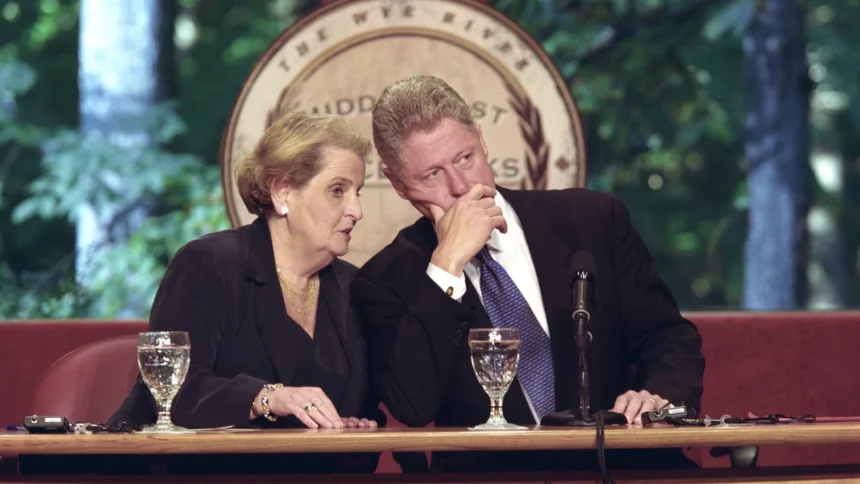
At the time, U.S. President Bill Clinton described the situation as unacceptable, warning that continued violence posed a serious threat not only to Kosovo but also to regional stability in the Balkans. As tensions escalated, Clinton began consultations with NATO allies regarding the possibility of military intervention in Kosovo.
Clinton indicated that the United States was prepared to consider deploying troops, but only under specific conditions. He emphasized that any potential intervention would depend on ending the violence and reaching a credible peace agreement, which was expected to be addressed during the Rambouillet negotiations.
“The time to stop this conflict in Kosovo is now, before it spreads and while it can still be contained at an acceptable cost,” Clinton stated. He added that NATO allies had already agreed on a strategy aimed at securing peace, potentially backed by NATO military force if necessary. However, he clarified that no final decision had been made regarding direct military engagement.
The U.S. president also highlighted the potential role of NATO forces in ensuring the implementation of any agreement reached between the parties, stressing that an international presence on the ground could help build trust and facilitate de-escalation.
Similarly, then-U.S. Secretary of State Madeleine Albright underscored America’s strategic and national interest in securing a peaceful resolution to the Kosovo conflict. She stressed that any U.S. participation in a peacekeeping mission would depend on achieving a comprehensive agreement and the withdrawal of Serbian security forces.
Albright emphasized that any peace operation would require conditions allowing international forces to operate safely, including limitations on weapons and paramilitary activities.
She further warned that failure to halt the violence could trigger broader regional instability. According to Albright, continued conflict in Kosovo risked spreading unrest to neighboring Albania and destabilizing Macedonia, while potentially affecting NATO allies such as Greece and Turkey. She also cautioned that prolonged instability could create conditions for increased refugee flows, organized crime, and extremist activities, ultimately undermining NATO’s credibility as a guarantor of European security.
Despite mounting international pressure, Yugoslav authorities rejected proposals for international peacekeeping forces, insisting that Kosovo remain under Serbian control. This refusal significantly complicated diplomatic efforts and reduced prospects for a negotiated settlement at the time.