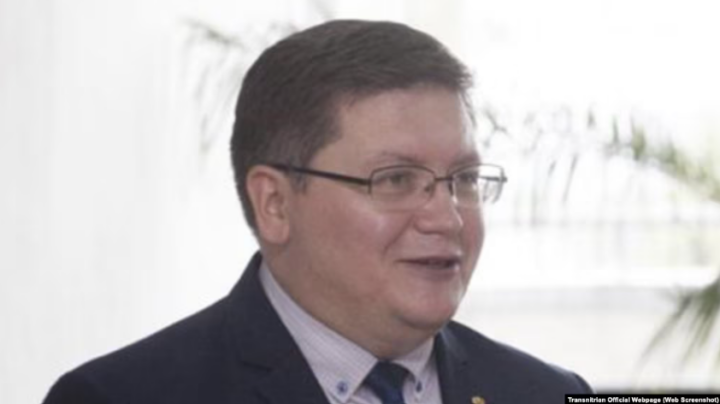
An investigation by Radio Free Europe/Radio Liberty has revealed that the name of Ilia Uvarov, the newly appointed head of Russia’s Liaison Office in Prishtina, appears in a database allegedly linking individuals to Russian intelligence services.
The database, published by the Ukrainian organization Molfar Intelligence Institute, includes names of individuals suspected of connections with the SVR. According to the listing, Uvarov is described as an officer linked to a department associated with intelligence operations conducted from Russian territory. However, these claims have not been independently verified.
Uvarov’s appointment was first noted in August 2025 through a brief statement by UNMIK, which described a routine meeting with the Russian representative. Since then, limited public information has been available about his role and activities.
His diplomatic career reportedly spans multiple postings, including assignments in the United States and Moldova, as well as involvement in the Joint Control Commission overseeing the security zone in the breakaway region of Transnistria.
Security experts say the use of diplomatic cover for intelligence activities is a well-known global practice, but particularly widespread in Russia’s case. Mark Galeotti of University College London noted that missions like the one in Kosovo could serve as strategic bases for regional intelligence-gathering, especially given Kosovo’s close ties with Western institutions.
Similarly, analyst Keir Giles highlighted that a significant proportion of Russian diplomatic personnel are believed to be linked to intelligence operations, creating challenges for host countries in deciding whether to expel or monitor them.
The Russian Liaison Office in Kosovo operates under a unique framework established during the UN administration period, granting it diplomatic privileges and limiting oversight by local authorities. This has made it one of the least transparent foreign missions in the country.
Previous concerns about Russian activities in Kosovo have led authorities to expel diplomats in the past over national security risks. Meanwhile, international assessments, including those from the United States, have warned of ongoing efforts by Russia to influence stability in the Western Balkans.
The situation underscores broader geopolitical tensions, where Kosovo remains both a regional focal point and part of a wider strategic competition between Russia and Western allies.