For the first time in history, Denmark has decided to stop traditional mail delivery, bidding farewell to the classic postman and a service that had operated uninterrupted for 400 years. The decision was made by the postal service PostNord, which announced the immediate cessation of letter deliveries.
The Danish postal service was founded in 1624 by King Christian IV as a “Christmas gift” to his people. Today, four centuries later, technology has rendered this gift outdated.
Denmark is one of the most digitized countries in the world, where communication with the government and businesses is conducted almost entirely online. Statistics show that over the past 25 years, the volume of physical letters has declined by 90%, resulting in financial losses for the company of approximately €57 million in 2024 alone.
“Almost all Danes are fully digital. Most of our communications now arrive in our email inboxes,” said Andreas Brethvad, spokesperson for PostNord.
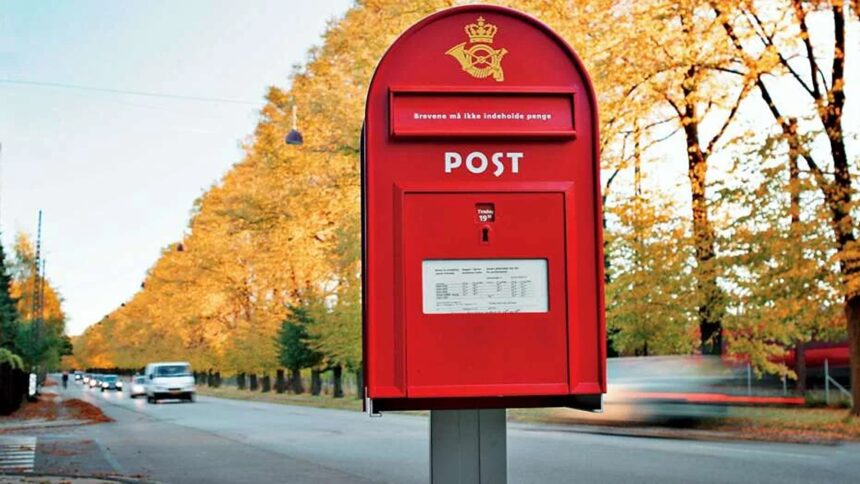
This transformation has also had social and cultural costs. PostNord announced the reduction of 1,500 jobs, while 1,500 iconic red mailboxes, part of the urban landscape for 170 years, have been put up for sale. Public interest in preserving a piece of history was remarkable, with Danes paying up to $300 for an old mailbox.
From now on, citizens wishing to send physical letters can no longer drop them in mailboxes or wait for a postman. They must deliver them to special kiosks in stores, from where they will be distributed via the private company DAO. PostNord will continue to operate only for parcel delivery, a sector thriving thanks to online shopping.
Although Denmark is pioneering this move, experts warn that it could isolate marginalized groups, especially the elderly who lack digital skills—a concern that remains global.