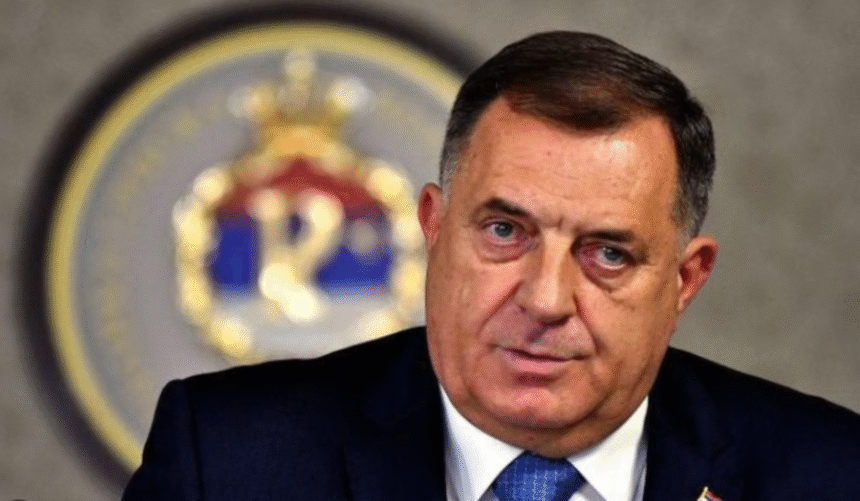
The latest political maneuver by Milorad Dodik, former president of Republika Srpska and one of the most powerful figures in the entity’s politics, has drawn attention across the region and beyond. The lifting of U.S. sanctions, his participation in the National Prayer Breakfast in Washington, and meetings with senior American officials suggest that Dodik may have offered significant political assurances to the White House.
According to reports from Banja Luka, Dodik launched an intensive diplomatic campaign after facing legal and political pressure at home, including a ruling by the Court of Bosnia and Herzegovina that barred him from political activity. At the same time, U.S. sanctions had expanded to include members of his political and business network, affecting companies that had received large amounts of public funds over the years.
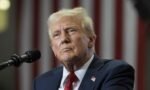
Despite these challenges, Dodik’s lobbying effort soon produced an unexpected outcome — sanctions were reportedly lifted, allowing him to reopen dialogue with international actors, particularly officials within the administration of Donald Trump. Key roles in this outreach were played by Željka Cvijanović and Ana Trišić Babić, who engaged with several U.S. political figures in Washington.
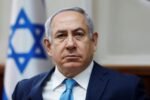
During the trip, meetings were held with prominent Republican allies, including Congressman Andy Ogles and Senator Ron Johnson, as well as other officials connected to the current U.S. administration. Meanwhile, Dodik traveled across multiple capitals, including Jerusalem, where he met Israeli Prime Minister Benjamin Netanyahu, before continuing to Budapest for talks with Hungarian Prime Minister Viktor Orbán, a longtime political ally.
Dodik later stated that during the National Prayer Breakfast he also spoke with U.S. Defense Secretary Pete Hegseth and former national security adviser Michael Flynn. In those discussions, he reiterated his long-standing political position that Republika Srpska should ultimately become independent, claiming that several countries would recognize such a move within days.
However, U.S. officials signaled caution. The United States Department of State warned that Washington retains a range of diplomatic tools if individuals or entities engage in actions that undermine the Dayton Peace Agreement or destabilize Bosnia and Herzegovina.
Criticism has also emerged within Bosnia and Herzegovina. Opposition politicians argue that Dodik’s statements are largely rhetorical and unlikely to translate into concrete political steps. Meanwhile, Foreign Minister Elmedin Konaković revealed that Dodik had signed a $4 million lobbying contract with the Israeli-Canadian consultancy Dickens & Madson. According to the document cited by the ministry, the stated objective of the lobbying effort is the independence of Republika Srpska and the removal of the High Representative’s office currently held by Christian Schmidt.
Political analyst Tanja Topić noted that Dodik appears to be aligning his rhetoric with the ideological themes associated with Trump’s politics, particularly narratives about the defense of Christian values, while simultaneously framing Bosniaks and Muslims as political threats — a strategy she described as controversial and potentially destabilizing.
As Dodik continues his diplomatic outreach, questions remain about whether these moves represent a genuine shift in international relations or simply another tactical step in a long-running political strategy aimed at strengthening his position at home and abroad.