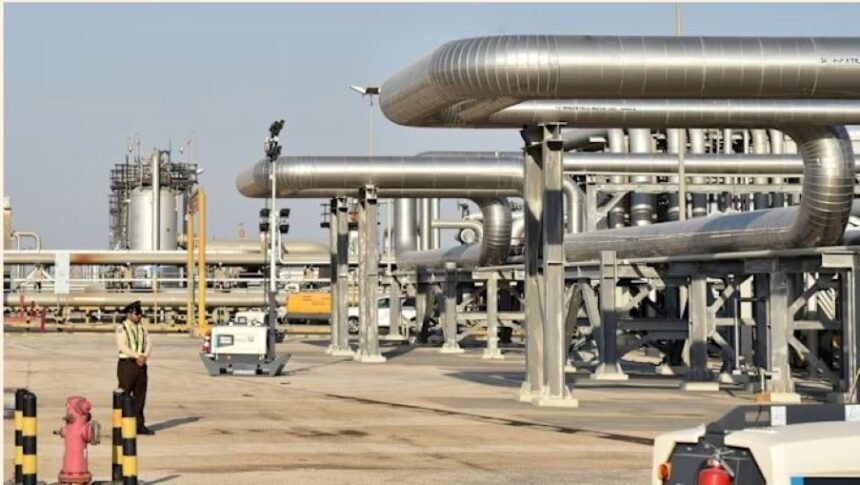
On the evening of April 8, 2026, a major Saudi Arabian oil pipeline, the East-West Pipeline, was struck in a drone attack.
The 1,200-kilometer pipeline connects oil fields in the Persian Gulf with the port of Yanbu on the Red Sea. The strike targeted a pumping station, which sustained confirmed damage, while state-owned Saudi Aramco has not yet issued an official statement regarding the incident.
The attack occurred around 1 a.m., coinciding with President Donald Trump’s announcement of a two-week ceasefire with Iran. The pipeline has become a critical artery for Saudi oil exports, particularly as the Strait of Hormuz is effectively closed to commercial shipping.
The East-West Pipeline serves as a “Plan B” for energy flow, capable of transporting approximately 5–7 million barrels of oil per day. It was originally constructed to bypass risks in the Persian Gulf, where tensions with Iran remain high.
Responsibility for the attack has not been confirmed. Analysts suggest the possibility of Houthi militias from Yemen, who have carried out similar strikes in the past. Some media reports also speculate potential Iranian involvement, given ongoing regional tensions.
The attack has triggered alarms in global energy markets, raising concerns over oil supply and international price stability. Built in the 1980s to avoid risks during the Iran-Iraq War, the East-West Pipeline continues to play a vital role in transporting oil to the Red Sea and global markets. This incident comes at a sensitive geopolitical moment, as conflicts in the Persian Gulf and Yemen, combined with recent trade agreements with Iran, directly impact global energy security.