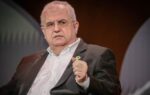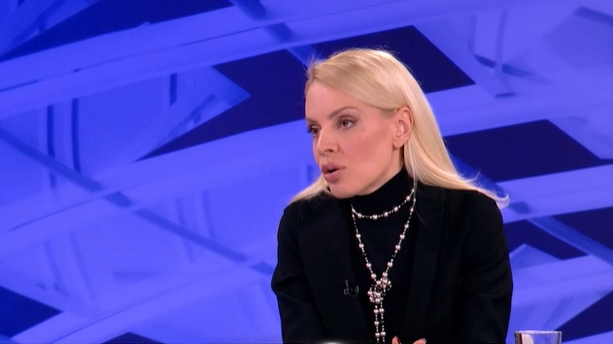
The European Union is expected to intensify pressure on Serbia and insist on the withdrawal of controversial judicial reform laws, according to Dragana Đurica, Secretary General of the European Movement in Serbia.
Speaking to N1 Belgrade, Đurica said the recent adoption of the so-called Mrdić judicial laws marks a turning point in relations between Serbia and the EU, warning that Brussels may impose stricter political and financial conditions on Belgrade moving forward.
EU Signals Clear Red Line
Đurica stressed that the European Commission had previously addressed issues in Serbia cautiously, using diplomatic language to avoid alienating a key regional partner. However, she said the latest legal reforms directly challenge fundamental EU principles, particularly judicial independence and the rule of law.
“This is a boundary Serbia should not have crossed. The newly adopted laws undermine the EU’s core foundations – an independent judiciary and the rule of law,” Đurica stated.
She noted that recent statements by EU enlargement and justice commissioners indicate that Brussels is no longer willing to tolerate such developments.
Possible Financial and Political Consequences
According to Đurica, the EU has mechanisms that could pressure Serbia into reversing the laws. While Brussels rarely takes drastic steps against candidate countries, she warned that increased conditionality and political pressure are highly likely.
She pointed to previous examples where Serbia faced financial consequences, including reduced EU funding under the Growth Plan after failing to meet key reform benchmarks, noting that the country reportedly lost half of an expected financial tranche.
Concerns Over Serbia’s EU Integration Progress
Đurica argued that narratives claiming the EU continuously introduces new conditions are misleading, emphasizing that candidate countries voluntarily agree to meet European standards.
She also criticized Serbia’s reform record, stating that substantive progress toward EU membership has stalled for approximately five years, particularly in areas such as:
- Judicial independence
- Strengthening democratic institutions
- Media freedom
- Fair electoral conditions
According to her, although the EU is unlikely to formally suspend accession negotiations, Serbia has effectively frozen its own integration process through its political decisions.
Regional Enlargement and Student Movement
Commenting on regional EU integration, Đurica said that Western Balkan countries are progressing at different speeds, highlighting Montenegro and Albania as examples of stronger political consensus and reform momentum toward EU membership.
She also mentioned that Serbia’s student protest movement, recently awarded the “Contribution of the Year to Europe” prize, represents values aligned with EU standards. However, she noted that if student groups intend to enter the political arena, they will likely need to address foreign policy and EU integration issues more directly.
The debate over Serbia’s judicial reforms comes amid growing tensions between Belgrade and Brussels, raising concerns about the future pace of Serbia’s EU accession process.