Newly released documents from the U.S. Department of Justice have reignited controversy surrounding the global network linked to Jeffrey Epstein, this time implicating North Macedonia as an alleged source of human brain tissue for scientific experiments in the United States.
According to the documents, a North Macedonian professor affiliated with Columbia University is suspected of having facilitated the export of approximately 1,000 human brains from North Macedonia to the U.S. for research purposes. Some of the brain samples are believed to have originated from victims of suicide, raising serious ethical, legal, and human rights concerns.
Brains Transported Under Special Escort
The documents state that the brain tissue was transported by airplane and ship under special escort, before being processed in laboratories at several prestigious U.S. institutions, including Columbia University, Yale University, and the University of Pittsburgh.
The revelations have prompted renewed scrutiny of international biomedical research practices, particularly regarding consent, sourcing of human remains, and cross-border ethical oversight.
Epstein Network Under Renewed Scrutiny
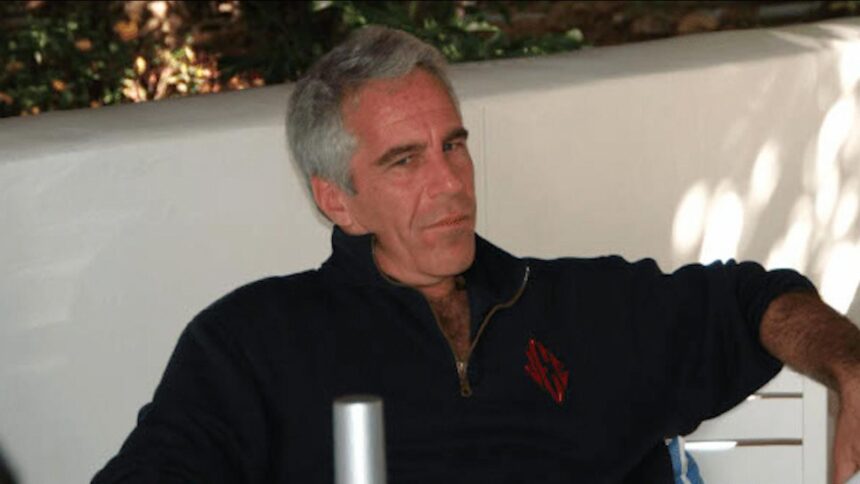
Although the documents do not allege that Epstein personally conducted scientific research, they reopen questions about the breadth of his network of contacts, which extended into elite academic, scientific, and political circles.
Epstein was convicted in 2008 and later charged in 2019 with sex trafficking, before his death in custody. The newly unsealed files suggest that his influence may have intersected with controversial scientific projects, further complicating efforts to fully map his international connections.
Calls for Accountability and Transparency
The disclosure has sparked calls for independent investigations both in North Macedonia and the United States, particularly into whether ethical standards were violated, whether proper consent was obtained, and whether national and international laws governing human tissue export were breached.
As of now, no official charges have been announced against the individuals or institutions mentioned, but the revelations are expected to trigger further legal and parliamentary inquiries.