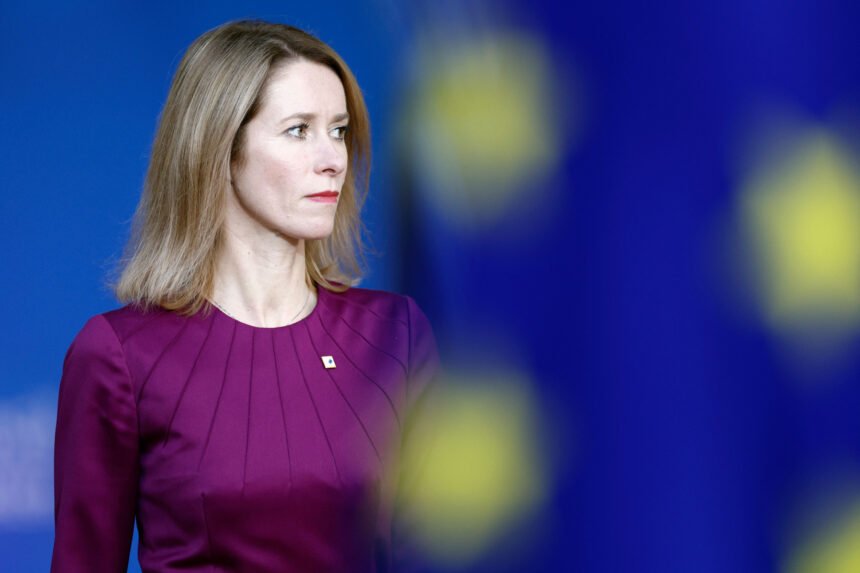
The EU faces a growing threat from hybrid attacks orchestrated by Russia, according to top EU foreign policy official Kaja Kallas, who warned Wednesday that these incidents pose an “extreme danger” to Europe’s critical infrastructure.
Speaking to journalists in Brussels, Kallas emphasized the need for a balanced and unified European response after Poland accused Russian-backed operatives of sabotaging a railway, prompting the closure of Russia’s last consulate in Warsaw.
Russia’s Dual Strategy: Testing Europe and Sowing Fear
Kallas highlighted that Russia’s attacks aim to achieve two objectives:
- Test the limits of European resilience
- Instill fear among EU citizens
“We have to have a strong response because what Russia is trying to do is two things. On one hand, to test us … and next they also try to sow fear within our society,” Kallas said.
The recent Polish incident follows a string of hybrid attacks across Europe, including:
- Airspace violations by Russian warplanes
- Drone disruptions at airports
- Cyber attacks and acts of vandalism
EU Response: Unity Without Panic
Kallas warned that while Europe must send a clear message of deterrence to Russia, overreacting could amplify fear, playing into Russia’s strategy.
“They want to sow fear inside our societies … if our response is too strong then the fear increases, which is what Russia wants. So we really have to have a balanced approach,” she said.
Her guidance mirrors advice from Finnish President Alexander Stubb, who faced hybrid attacks from Russia involving migrant flows across the border. He urged EU countries to remain “calm, cool, and collected,” stressing resilience, preparation, and measured responses as the new normal.
“Be prepared. In instances which you cannot defend, repair. Don’t overreact and use sisu, which means resilience, grit, and perseverance. This is the new normal,” Stubb noted.
Europe’s Challenge
As EU nations debate how to respond, leaders are weighing robust attribution and deterrence measures against the risk of causing public alarm. Kallas stressed that Europe must demonstrate unity while reassuring citizens of their safety, a delicate balance in the face of increasingly sophisticated hybrid threats.